US Reportedly Revives Push to Ban Chinese AI Models Amid Cybersecurity Fears
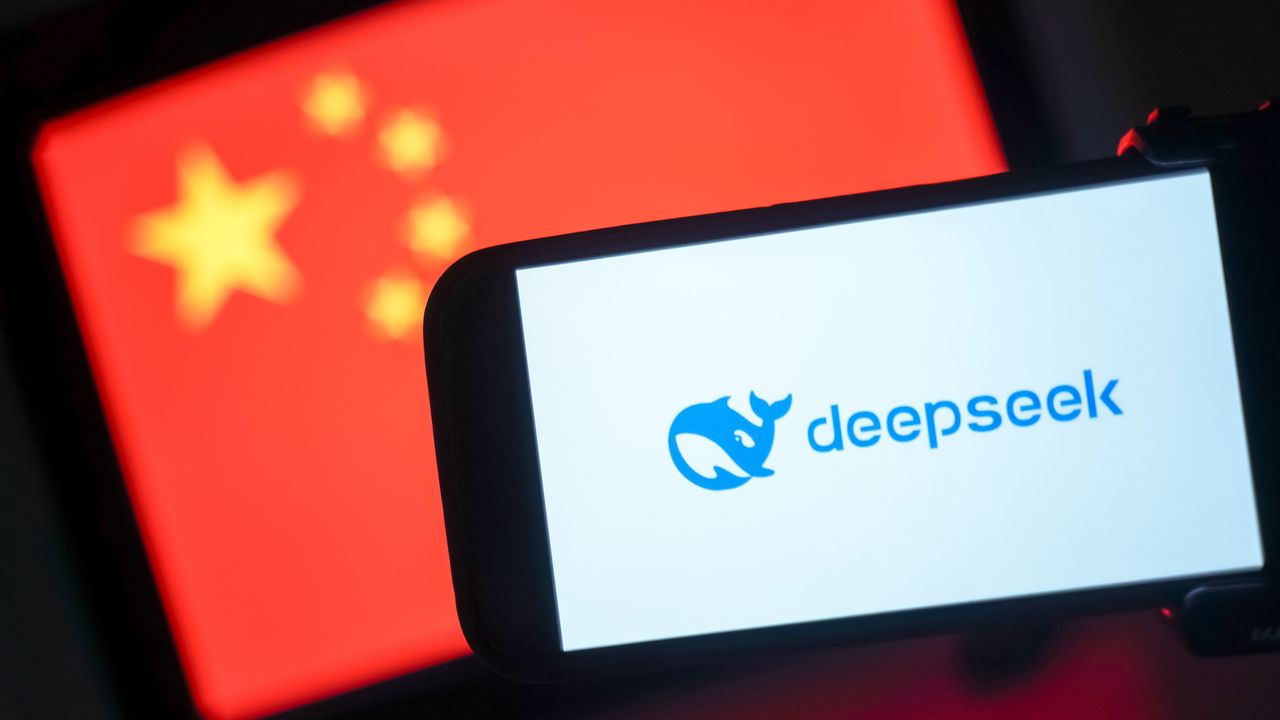
The Trump administration is reportedly reviving efforts to discourage U.S. companies from using Chinese open-weight artificial intelligence models. This renewed push comes in the wake of the launch of Kimi K3, a significant Chinese AI model. The primary stated concern driving this potential ban revolves around cybersecurity risks associated with these Chinese AI technologies. However, the nature of open-weight models, which allow for downloadable access to their underlying code and architecture, presents a significant enforcement challenge for any outright U.S. ban. This difficulty is compounded by the growing adoption of such models within the U.S. market. The administration's move suggests a continued focus on technological competition and national security concerns related to China's advancements in AI. The open-weight nature of models like Kimi and DeepSeek makes them attractive for developers but also raises questions about potential misuse or vulnerabilities. The feasibility of a complete ban is therefore in question, given the distributed and accessible nature of the technology.
The U.S. government's reported consideration of banning Chinese AI models highlights a persistent tension between national security objectives and the globalized, open-source nature of technological development. While cybersecurity concerns are a valid consideration, the proliferation of open-weight models presents a significant challenge to unilateral enforcement. This situation underscores the evolving dynamics of AI competition, where the accessibility of foundational models can outpace traditional regulatory frameworks. The focus may need to shift from outright bans, which are increasingly difficult to implement, towards strategies that promote transparency, responsible development, and robust risk assessment within the domestic AI ecosystem. The long-term implications involve navigating the global AI landscape, balancing innovation with security, and potentially fostering international cooperation on AI governance standards.
AI-generated to prompt reflection — not editorial opinion, not advice, not a statement of fact. How this works.