US Restaurants See Fewer Diners Amid Cyclosporiasis Outbreak
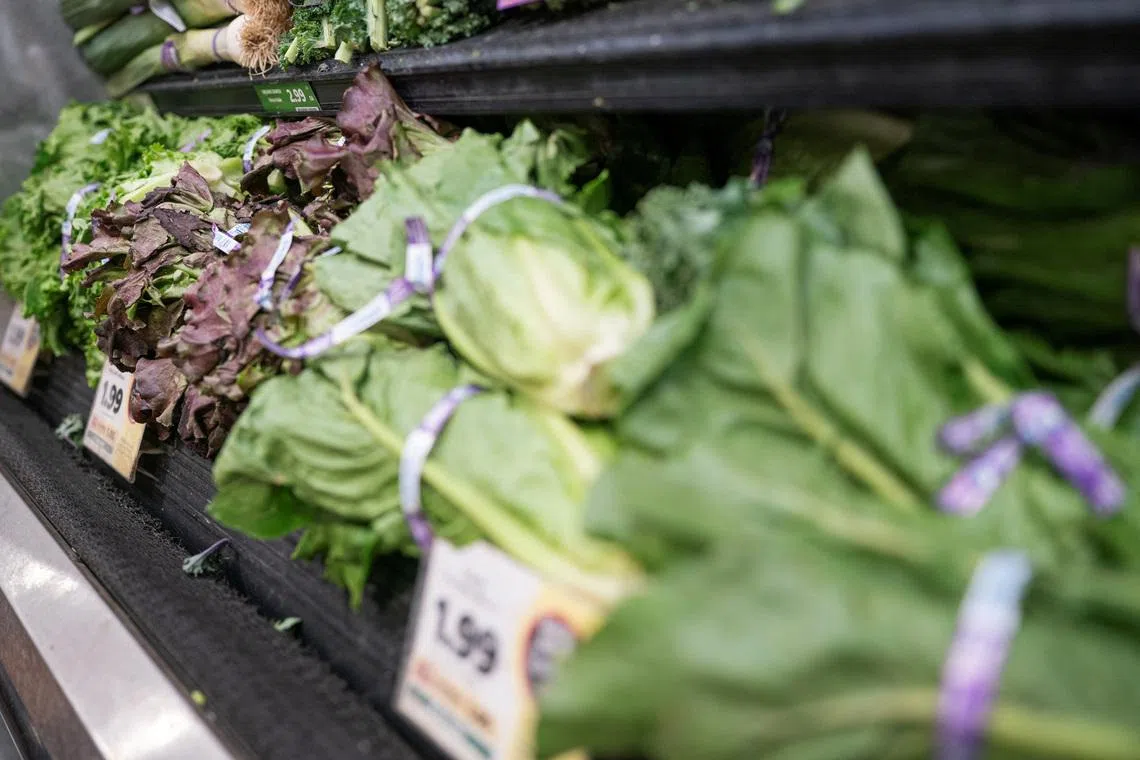
American restaurants are experiencing a decline in customers due to growing concerns over a parasitic disease known as cyclosporiasis. The outbreak has led to a significant drop in lettuce sales as consumers become wary of potential contamination. Health officials have been tracking the rise in cyclosporiasis cases, which has persisted even after some products suspected of being affected were recalled from the market. This situation highlights the impact of foodborne illnesses on consumer confidence and the hospitality industry. The ongoing increase in reported cases suggests that the source of the contamination may be widespread or difficult to fully eradicate. Authorities are continuing to investigate the origins of the outbreak to prevent further spread and ensure food safety. The public health implications are significant, as cyclosporiasis can cause severe gastrointestinal distress, including diarrhea, nausea, and fatigue, lasting for several weeks. The economic repercussions for restaurants, already navigating a challenging market, are also considerable. The situation underscores the importance of robust food safety protocols and transparent communication during public health crises.
The outbreak of cyclosporiasis and its impact on restaurant patronage illustrate the delicate balance between public health and economic activity. Consumer behavior, driven by fear of illness, directly influences market demand, creating significant challenges for the food service industry. This event prompts consideration of supply chain vulnerabilities and the effectiveness of recall mechanisms in preventing widespread contamination. The prolonged nature of the outbreak suggests a need for enhanced surveillance and potentially more proactive measures in food safety regulation to mitigate future risks. Looking ahead, the interconnectedness of global food systems means that localized outbreaks can have far-reaching economic and social consequences, underscoring the importance of resilient and transparent food safety infrastructure in the face of emerging public health threats.
AI-generated to prompt reflection — not editorial opinion, not advice, not a statement of fact. How this works.