US Restricts Chinese Robots, Aims to Boost Domestic Manufacturers
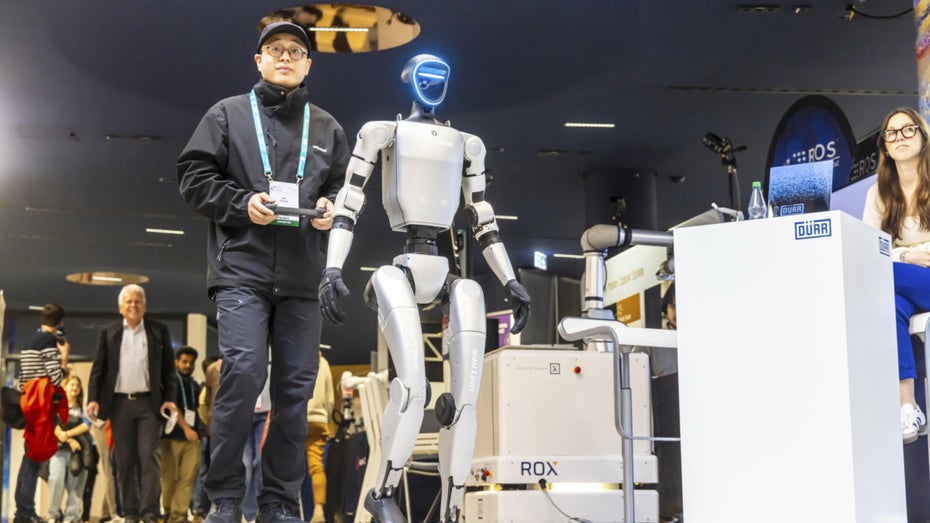
The United States is implementing measures to block Chinese robots from entering the American market, a move designed to protect and promote its domestic robotics industry. This action comes amidst intense competition between U.S. and Chinese developers in the field of humanoid robot development. By restricting foreign competition, the U.S. government aims to create a more favorable environment for its own companies to innovate and grow. The move highlights a growing trend of nations seeking to secure technological leadership and economic advantages in strategic sectors like advanced robotics. This protectionist stance could significantly impact the global landscape of AI and robotics development, potentially leading to bifurcated technological ecosystems.
The U.S. government's decision to restrict Chinese robots reflects a strategic prioritization of domestic industrial capacity in the burgeoning field of humanoid robotics. This policy leverages national security and economic competitiveness arguments to shield nascent American ventures from established or rapidly advancing foreign players. Such measures, while potentially fostering short-term domestic growth, may also risk slowing global innovation by fragmenting supply chains and limiting cross-border collaboration. Over the next decade, the interplay between national industrial policies and the inherently global nature of technological advancement will be critical. The long-term success of this strategy will depend on whether it spurs genuine innovation and efficiency within the U.S. or merely creates an artificial, less competitive market shielded from global best practices and competitive pressures.
AI-generated to prompt reflection — not editorial opinion, not advice, not a statement of fact. How this works.