US Restricts Foreign Humanoid Robots to Curb China's Tech Advancement
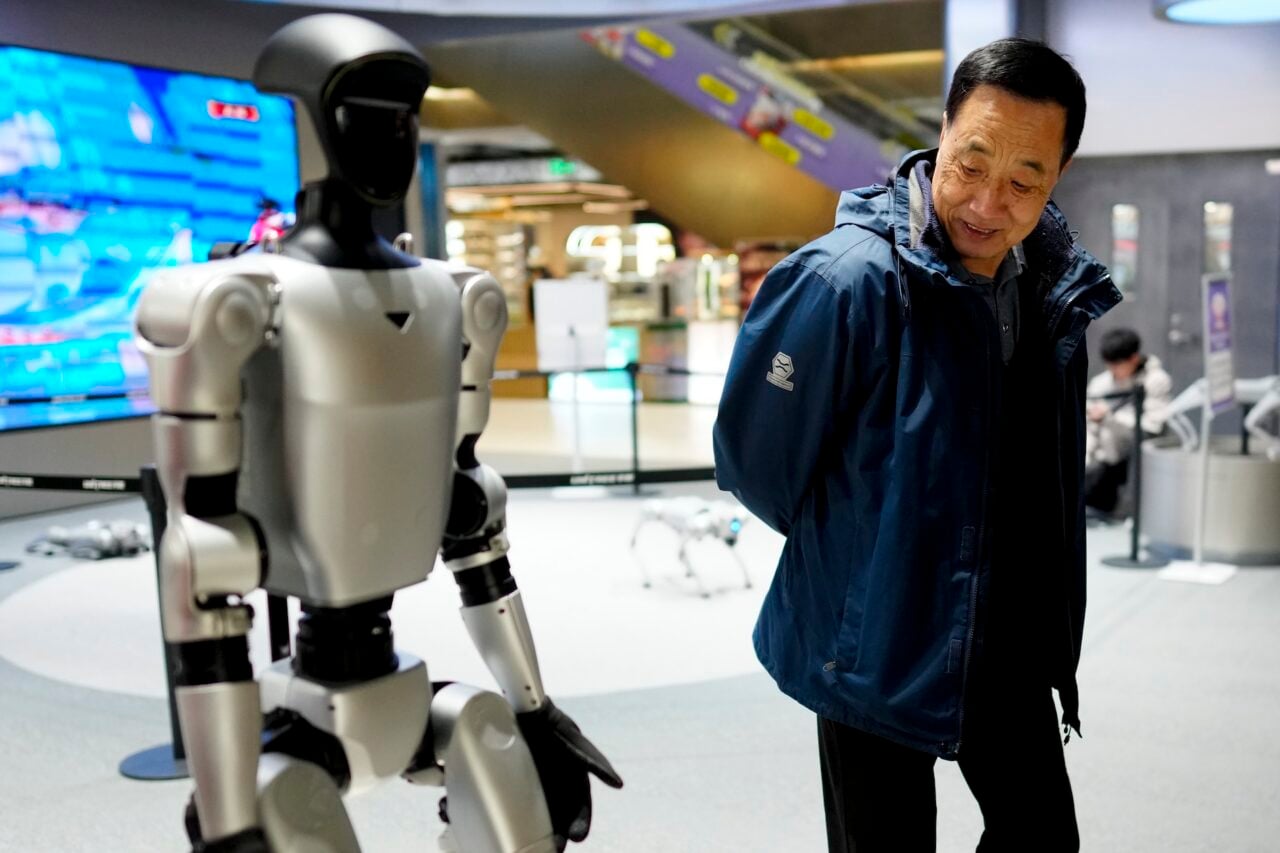
The White House has implemented a ban on foreign humanoid robots, a move aimed at slowing the technological progress of China. This policy ensures that companies like Elon Musk's Tesla, with its unreleased Optimus robot, will not face competition from Chinese-made counterparts in the future. The ban specifically targets the burgeoning field of advanced robotics, where China has been making significant strides. By restricting the import and deployment of these sophisticated machines, the U.S. seeks to maintain a competitive edge in a critical technological sector. This strategic decision highlights the growing geopolitical tensions surrounding artificial intelligence and advanced manufacturing. The administration's action underscores a broader trend of nations employing protectionist measures to safeguard their domestic industries and technological sovereignty. The long-term implications for global robotics development and market dynamics are yet to be fully understood.
The U.S. ban on foreign humanoid robots represents a strategic intervention in the global race for AI and advanced manufacturing dominance. By restricting Chinese technological imports, the U.S. aims to bolster its domestic innovation ecosystem and prevent the transfer of critical technologies that could enhance geopolitical rivals' capabilities. This policy reflects an evolving understanding of national security in the digital age, where technological leadership is intrinsically linked to economic and military power. The move could foster increased domestic investment in U.S. robotics firms, potentially accelerating their development. However, it also risks fragmenting the global supply chain and slowing overall technological progress by limiting collaboration and competition. The long-term effectiveness will depend on the U.S.'s ability to foster its own innovation at a pace that outstrips potential competitors, while navigating the complexities of international trade and technological interdependence.
AI-generated to prompt reflection — not editorial opinion, not advice, not a statement of fact. How this works.