US Resumes Maritime Blockade Against Iran, Launches Airstrikes
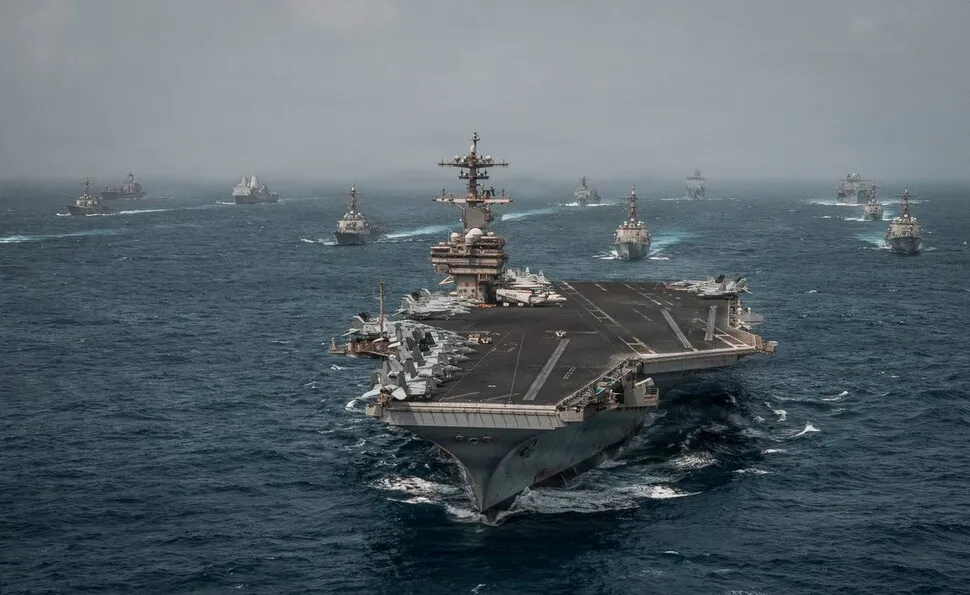
The United States has reportedly resumed its maritime blockade against Iran. This action follows a series of simultaneous airstrikes that commenced approximately one hour before the blockade's implementation. The specifics of the targets and the scale of the airstrikes were not detailed in the initial report. This development marks a significant escalation in maritime security operations in the region. The renewed blockade is expected to impact Iran's naval activities and international shipping in its vicinity. Further details regarding the duration and scope of the blockade are anticipated. The simultaneous airstrikes suggest a coordinated and decisive military posture by the US. The situation remains fluid, with potential implications for regional stability.
The US decision to resume maritime blockade operations against Iran, coupled with preemptive airstrikes, indicates a strategic recalibration of its regional policy. This dual action aims to exert significant pressure on Iran's maritime capabilities and potentially disrupt its logistical networks. The timing of the airstrikes suggests a deliberate effort to degrade Iranian defenses or assets before enforcing the blockade, thereby minimizing immediate risks to US forces. From a geopolitical perspective, this move could be interpreted as a response to perceived Iranian provocitions or a broader strategy to contain regional influence. The long-term effectiveness and consequences of such actions will depend on Iran's reaction, the broader international community's stance, and the potential for escalation or de-escalation in the coming weeks and months. The economic and humanitarian impacts of a sustained blockade also warrant careful consideration within the framework of international law and regional stability.
AI-generated to prompt reflection — not editorial opinion, not advice, not a statement of fact. How this works.