US Resumes Naval Blockade and Continues Airstrikes on Iran
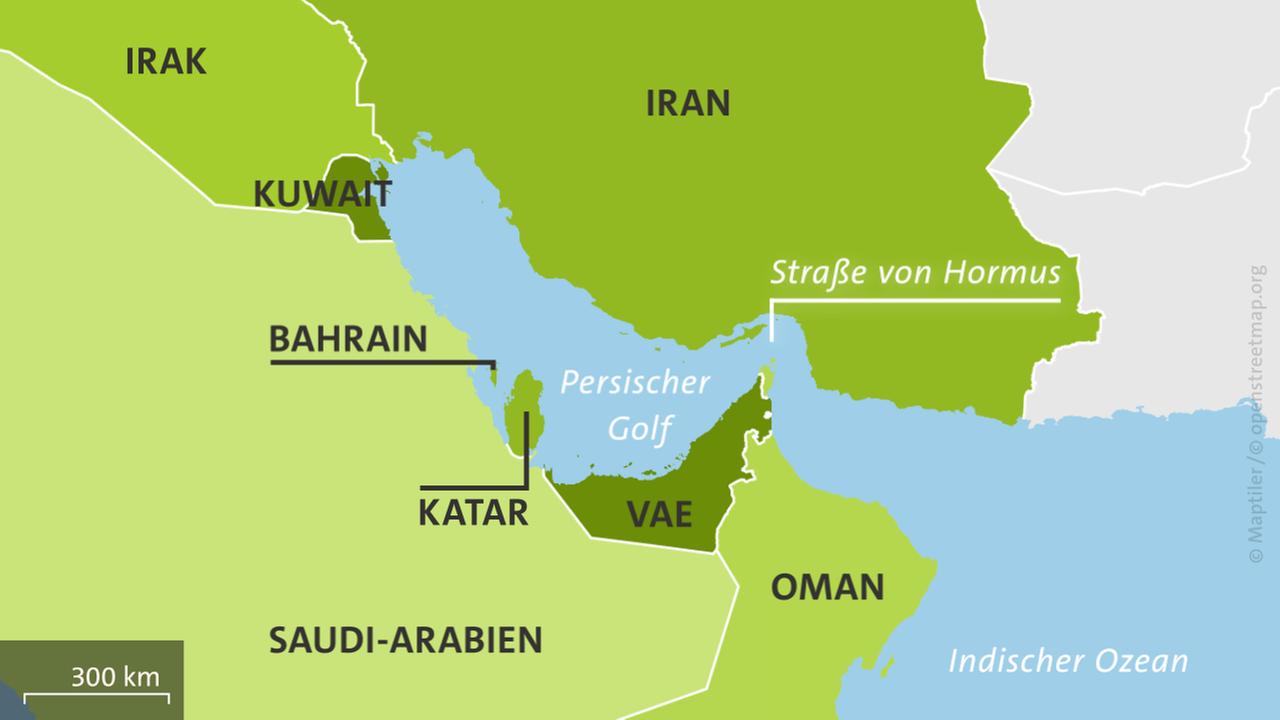
The United States military has reinstated a naval blockade, effectively restricting access to Iranian ports and coastal areas. This marks the resumption of a significant maritime operation by the US. Concurrently, the US has continued its aerial assaults on Iran for the fourth consecutive night. These actions indicate a sustained and escalating military engagement between the two nations. The naval blockade aims to exert pressure by controlling maritime traffic and access to Iranian shores. The ongoing airstrikes suggest a strategy of direct military action targeting specific objectives within Iran. The combined effect of these measures represents a serious escalation of tensions and a significant challenge to Iran's sovereignty and economic activities.
The reintroduction of a US naval blockade, coupled with sustained airstrikes, signifies a calibrated escalation of geopolitical pressure on Iran. This dual approach leverages maritime control to impact trade and movement, while aerial operations aim for direct disruption. From a strategic perspective, such actions are often employed to compel policy changes or to degrade an adversary's capabilities. The effectiveness and long-term implications will depend on international response, Iran's capacity for resilience, and the specific objectives driving US policy. Future developments may reveal whether this strategy leads to de-escalation through negotiation or further entrenchment of conflict, considering the potential for regional instability and global economic repercussions.
AI-generated to prompt reflection — not editorial opinion, not advice, not a statement of fact. How this works.