US Revokes Brazilian Ambassador's Visa Amid Diplomatic Dispute
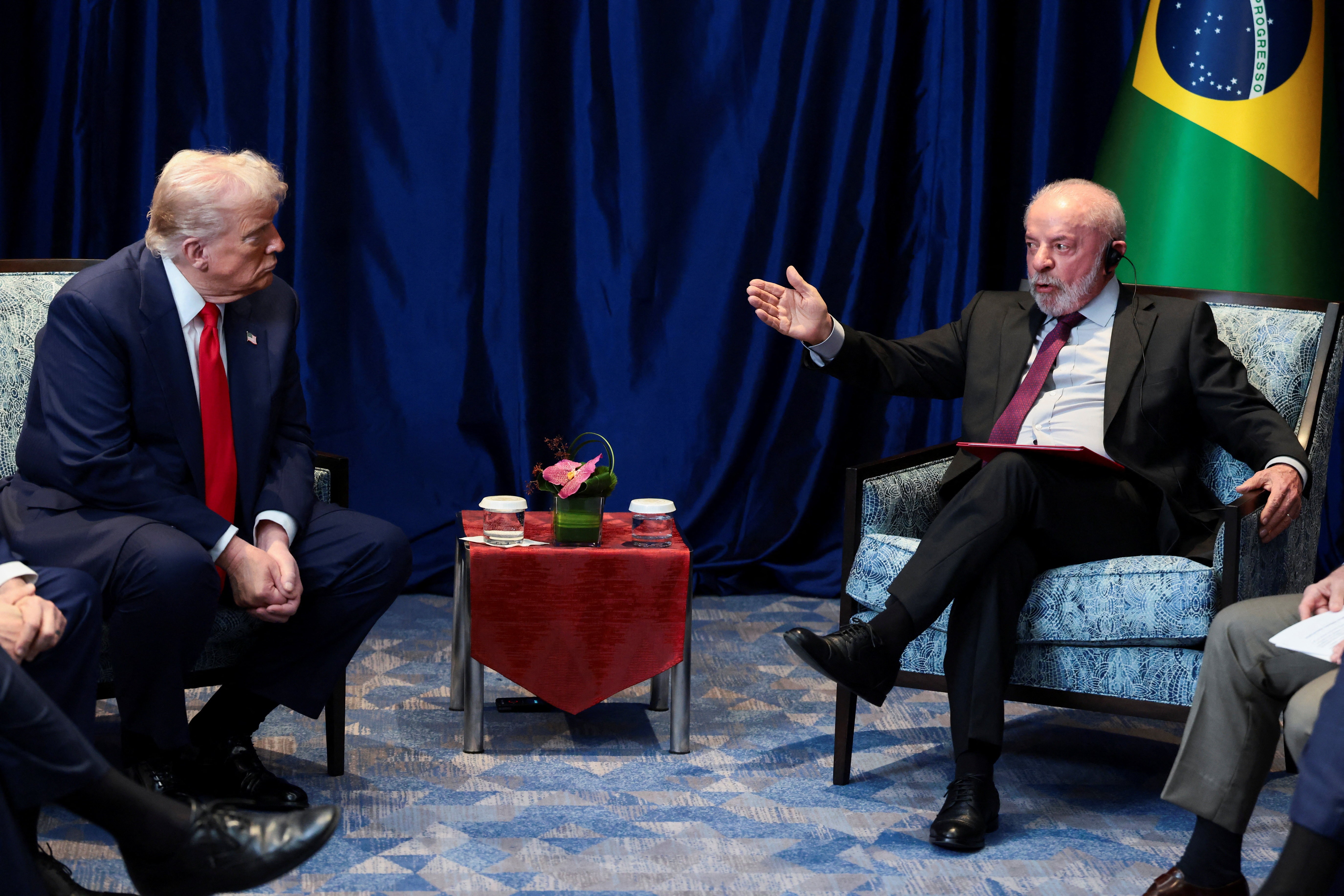
The United States announced on Tuesday, March 4th, that it has revoked the visa of Brazil's ambassador to Washington, Maria Luiza Ribeiro Viotti. According to the State Department, this action is a direct response to Brazil's delay in granting diplomatic approval for Daniel Perez to assume his role as the U.S. ambassador to Brazil. The State Department clarified that the visa revocation does not constitute an expulsion of Ambassador Viotti, and she may remain in the United States without a valid visa. The U.S. indicated that the visa could be reinstated once Brazil grants the necessary diplomatic approval for the new American ambassador. The Brazilian Ministry of Foreign Affairs (Itamaraty) had not yet commented on the U.S. announcement at the time of reporting. This development occurred ten days after Itamaraty denied visas to two State Department diplomats, Assistant Secretary Riley M. Barnes and Deputy Assistant Secretary Samuel Samson. These officials were reportedly involved in a strategy to question the integrity of Brazil's electoral system, according to The Washington Post, though a State Department spokesperson denied any intention to interfere with elections, stating their visit aimed to discuss electoral integrity, religious freedom, and freedom of expression. Brazilian government sources had anticipated some form of retaliation following the visa denials, with possibilities ranging from further visa restrictions to measures like the Magnitsky Act, which allows the U.S. to sanction foreign individuals for human rights violations or large-scale corruption. The report notes that relations between the two countries have seen fluctuations, including previous tariff disputes initiated by the Trump administration and subsequent de-escalations, as well as recent U.S. designations of Brazilian factions as terrorist organizations.
This diplomatic dispute highlights the complex interplay of national interests, reciprocal actions, and internal political considerations that shape international relations. The U.S. action, framed as a response to Brazil's delayed accreditation of an ambassador, suggests a strategic leverage play to expedite a decision. Conversely, Brazil's prior visa denials for U.S. diplomats, reportedly linked to concerns over electoral system integrity, indicate a defensive posture against perceived external interference. The escalation, involving visa revocations and potential sanctions under legislation like the Magnitsky Act, demonstrates a pattern of tit-for-tat measures. Future diplomatic engagements will likely hinge on establishing clear communication channels and mutual respect for sovereign processes, particularly concerning electoral systems and internal governance. The underlying incentive structures for both nations appear to be rooted in asserting national sovereignty and safeguarding domestic political processes while navigating global trade and security dynamics.
AI-generated to prompt reflection — not editorial opinion, not advice, not a statement of fact. How this works.
