US Revokes Brazilian Ambassador's Visa Amid Diplomatic Tensions
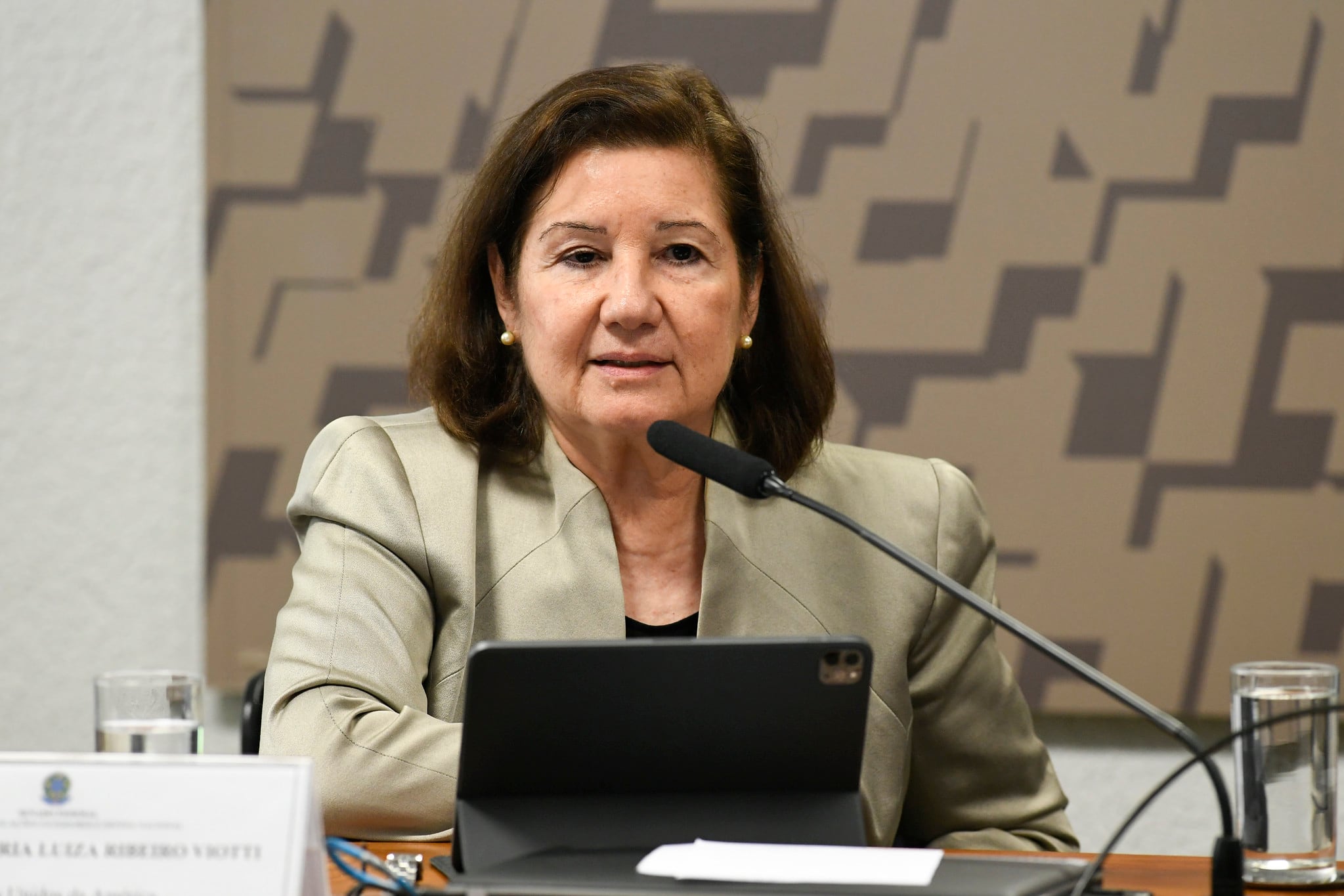
The United States has canceled the visa of Brazil's ambassador amid ongoing diplomatic tensions between the two nations. Washington stated that this action is a reciprocal measure in response to the Brazilian government's delay in granting approval for the designated U.S. ambassador to Brazil. The decision highlights a significant diplomatic impasse, with both countries engaging in retaliatory actions. This visa cancellation signifies a deterioration in bilateral relations, potentially impacting future diplomatic engagements and cooperation. The situation underscores the sensitivity of ambassadorial appointments and the potential for such delays to escalate into broader diplomatic disputes. Further developments are anticipated as both governments navigate this sensitive diplomatic challenge.
The U.S. decision to revoke the Brazilian ambassador's visa represents a direct escalation in a diplomatic dispute stemming from Brazil's delay in approving the U.S. ambassadorial nominee. This tit-for-tat response, framed as reciprocity, signals a breakdown in standard diplomatic protocols and suggests underlying political friction. Such actions can strain bilateral relations, potentially impacting trade, security cooperation, and international policy alignment. The situation prompts consideration of the leverage each nation holds and the broader implications for diplomatic norms in an era increasingly defined by geopolitical competition. Future interactions will likely depend on the ability of both governments to de-escalate and find common ground, or risk further entrenching a pattern of reciprocal diplomatic pressure.
AI-generated to prompt reflection — not editorial opinion, not advice, not a statement of fact. How this works.
