US Revokes Brazilian Ambassador's Visa, Citing Reciprocity
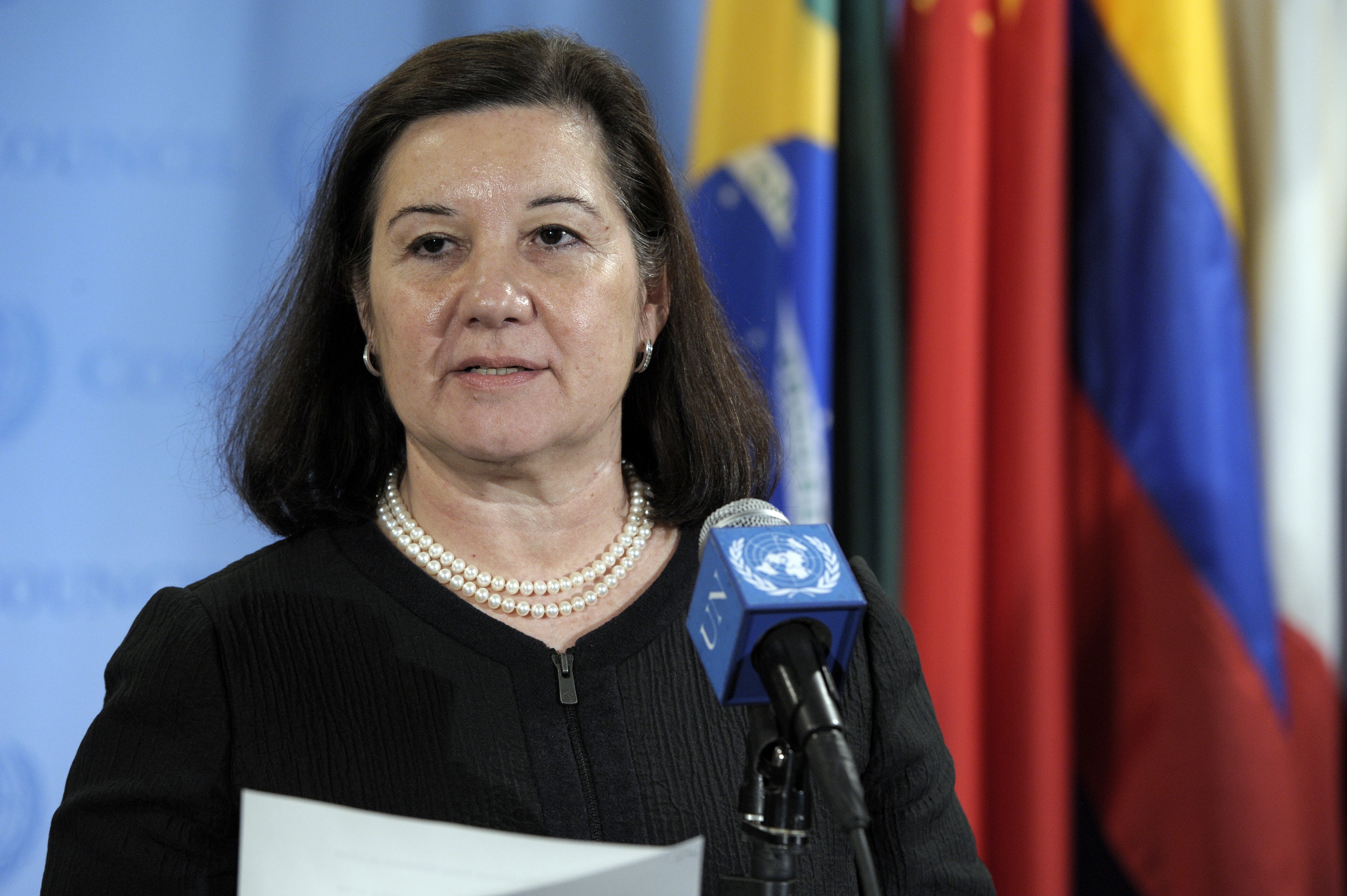
The United States has revoked the visa of Brazil's ambassador to Washington, Maria Luiza Ribeiro Viotti, in a move the State Department described as a response to Brazil's delay in granting diplomatic approval for the U.S. nominee to lead the embassy in Brazil, Daniel Perez. The State Department emphasized that this action is not an expulsion and that Ambassador Viotti can remain in the U.S. without a valid visa, which could be reinstated if Brazil grants the agrément for Perez. Reciprocity is cited as the key principle behind this decision. Daniel Perez, nominated in June, has received committee approval in the U.S. Senate but awaits a full vote. Brazil has reportedly indicated that its approval may not come until after the October presidential elections. The U.S. has not ruled out further measures, stating that it will respond reciprocally if its own diplomatic activities are hindered. This visa revocation follows Brazil's denial of visas to two U.S. State Department officials, Riley M. Barnes and Samuel Samson, who were reportedly involved in a strategy to question Brazil's electoral system's integrity. The U.S. denied these allegations, stating the officials intended to discuss electoral integrity and freedoms. Brazil's Foreign Ministry had anticipated retaliation after denying the visas. The situation marks an escalation in U.S.-Brazil diplomatic tensions, which have seen fluctuations previously, including trade disputes and differing stances on Brazilian organizations.
The U.S. State Department's decision to revoke the Brazilian ambassador's visa, framed as a matter of reciprocity, highlights the intricate and often reciprocal nature of diplomatic relations. This action underscores the leverage that host countries possess in approving or denying diplomatic credentials, and how perceived slights or delays can trigger retaliatory measures. The situation reflects a broader pattern of geopolitical maneuvering where national interests, electoral considerations, and perceptions of fairness in international dealings can lead to significant diplomatic friction. As AI continues to reshape global interactions and information flows, such disputes may become more complex, potentially involving digital diplomacy and the rapid dissemination of narratives that can influence public opinion and governmental responses. The long-term implications for bilateral trust and cooperation will depend on how both nations navigate these challenges, balancing immediate concerns with the strategic imperative of maintaining stable diplomatic channels for future engagement.
AI-generated to prompt reflection — not editorial opinion, not advice, not a statement of fact. How this works.
