US Revokes Brazilian Ambassador's Visa in Diplomatic Tit-for-Tat
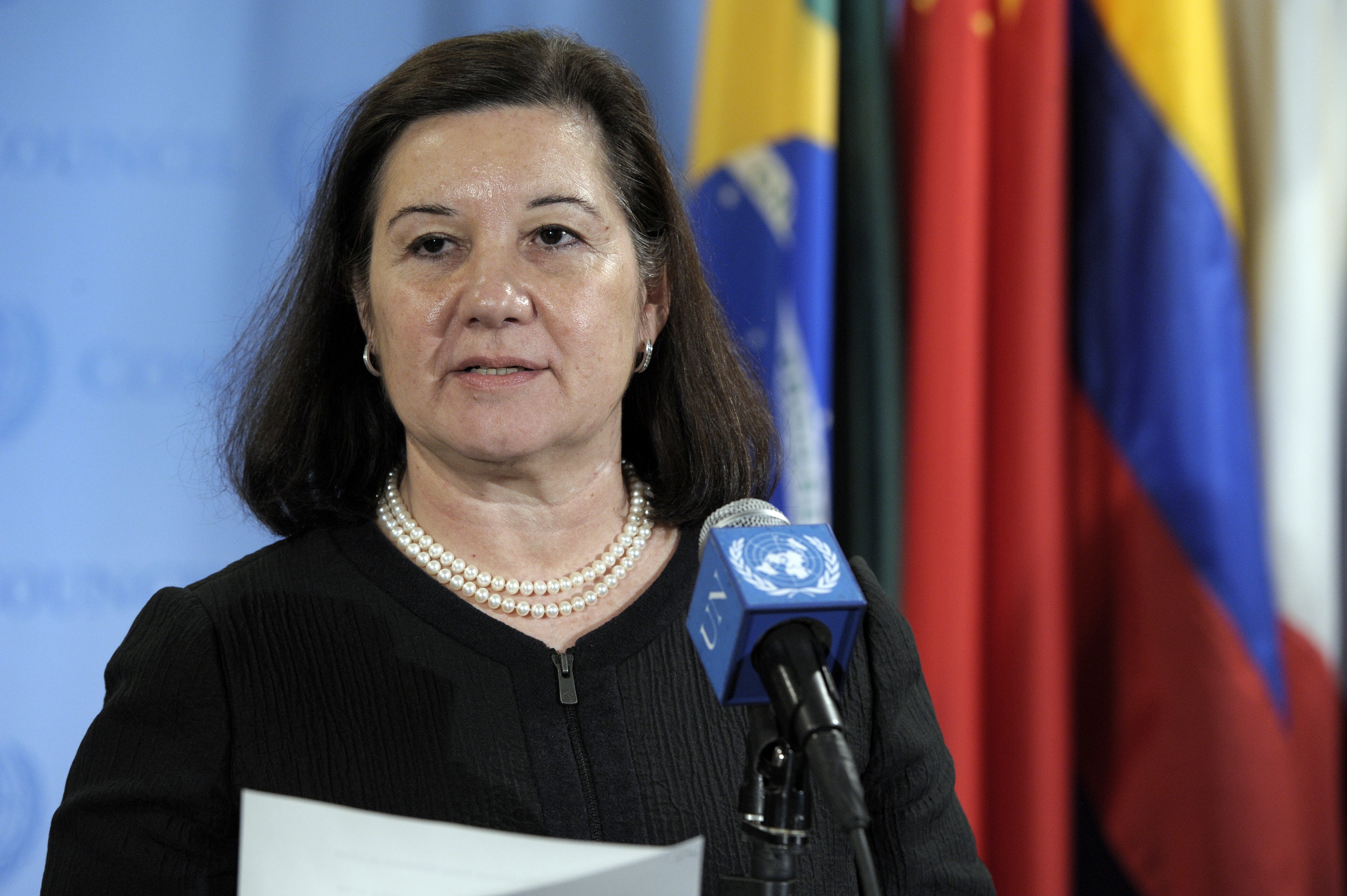
The United States government has revoked the visa of Brazil's ambassador to Washington, Maria Luiza Viotti, a move Brazilian diplomats have labeled "blackmail." This decision by the Trump administration is reportedly a response to Brazil's delay in granting diplomatic approval for Daniel Perez, the US nominee for ambassador to Brazil. The State Department clarified that Viotti is not being expelled and can remain in the US, but without a valid visa. The visa could be reinstated if Brazil approves Perez's appointment. The US nomination of Perez, a Florida legislator and son of Cuban immigrants, was made without prior formal consultation with the Brazilian government, causing discomfort at Itamaraty. Typically, governments conduct a confidential "agrément" process before announcing ambassadorial nominees. Perez's nomination has passed a Senate committee but awaits full Senate approval. Brazilian officials have indicated they will not reject Perez but will conduct a careful review of his background. The US claims Brazil signaled that approval would only come after the October presidential elections. The US has lacked an ambassador in Brazil since January 2025, with the embassy currently led by Chargé d'Affaires Natasha Franceschi. This visa revocation follows Brazil's denial of visas to two State Department diplomats, Riley M. Barnes and Samuel Samson, who were reportedly involved in a strategy to question Brazil's electoral integrity. The State Department denied any intent to interfere in elections, stating their visit was to discuss electoral integrity and freedoms. Maria Luiza Viotti has a long diplomatic career, including ambassadorships to the UN and Germany, and various roles within Brazil's Ministry of Foreign Affairs.
This diplomatic dispute highlights the intricate and often contentious nature of international relations, where bureaucratic processes and political considerations can lead to significant friction. The US action, framed as a response to a procedural delay, appears to leverage the ambassador's visa status as a bargaining chip to expedite the approval of its nominee. This tactic, while potentially effective in the short term, risks escalating tensions and undermining the principles of reciprocal diplomatic engagement. The situation also underscores the importance of established protocols, such as the "agrément" process, in maintaining smooth bilateral relations. Future diplomatic interactions may need to prioritize clear communication and adherence to established norms to prevent similar impasses, particularly as geopolitical landscapes evolve and trust between nations is paramount.
AI-generated to prompt reflection — not editorial opinion, not advice, not a statement of fact. How this works.
