US Revokes Visa for Brazil's Ambassador to Washington Amid Diplomatic Dispute
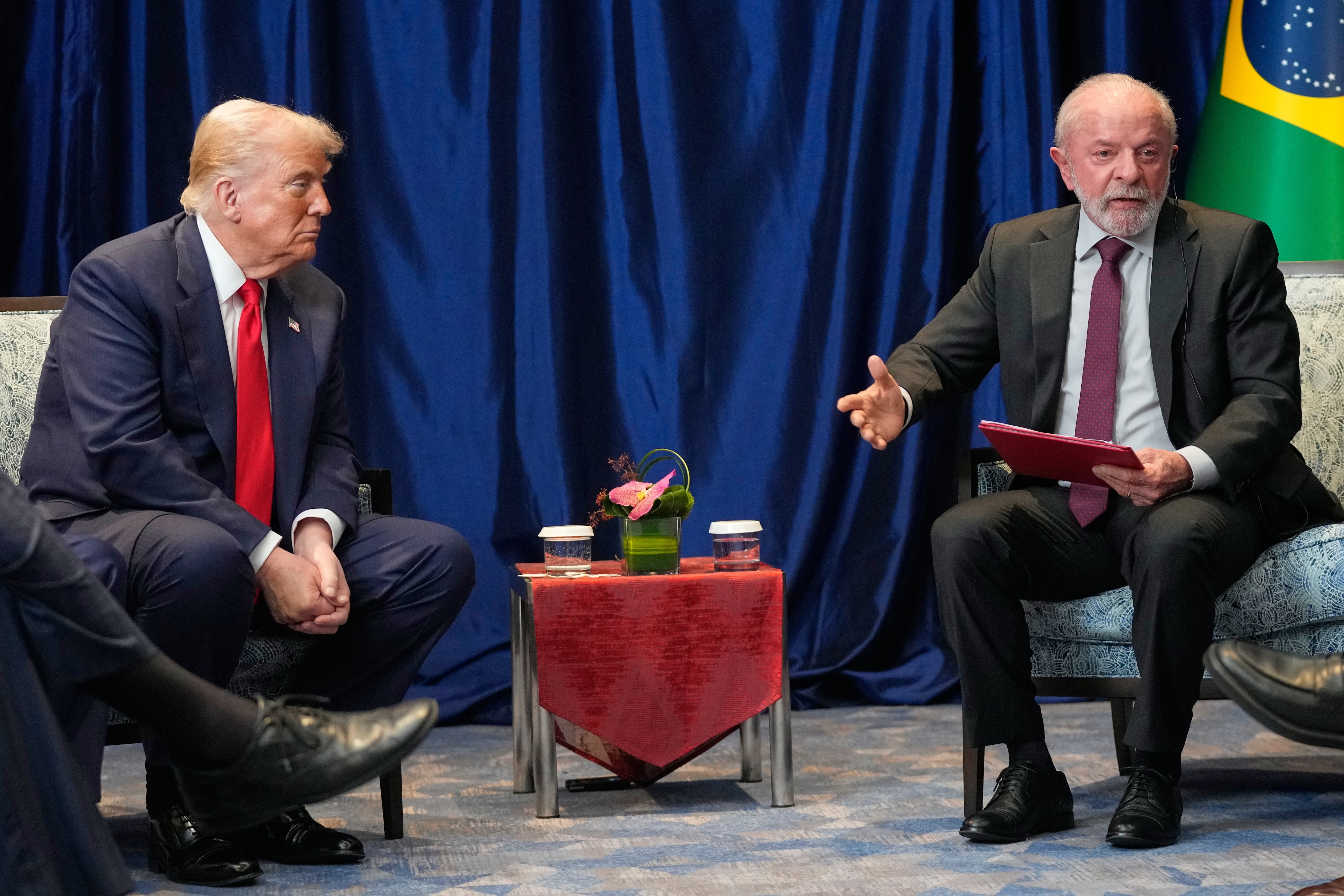
The United States Department of State has revoked the visa for Brazil's ambassador to Washington, Maria Luiza Ribeiro Uva, in a retaliatory move. This decision stems from Brazil's delay in approving the U.S. ambassador nominee appointed by the Trump administration. A senior U.S. official clarified that the visa revocation does not constitute an expulsion of the diplomat. The dispute highlights tensions between the two nations concerning diplomatic appointments and reciprocity. The U.S. action is a direct response to Brazil's perceived inaction on the U.S. ambassadorial candidate. This diplomatic friction underscores the complexities of international relations and the importance of timely diplomatic accreditations.
This diplomatic dispute between the U.S. and Brazil over ambassadorial appointments reflects underlying dynamics of sovereign prerogative versus international norms of reciprocity. The U.S. action, framed as a response to a delay, may signal a broader strategy to ensure swift approval of its nominees or to exert leverage in bilateral relations. Brazil's delay could be attributed to internal political considerations or a desire to assert its own diplomatic autonomy. Such tit-for-tat measures, while seemingly minor, can escalate and impact broader cooperation, especially in an era where trust and predictable diplomatic channels are crucial for addressing global challenges. The situation prompts reflection on the balance between national interests and the established protocols that facilitate smooth international engagement.
AI-generated to prompt reflection — not editorial opinion, not advice, not a statement of fact. How this works.
