US Robot Snakes Deployed in Venezuela to Aid Earthquake Survivors
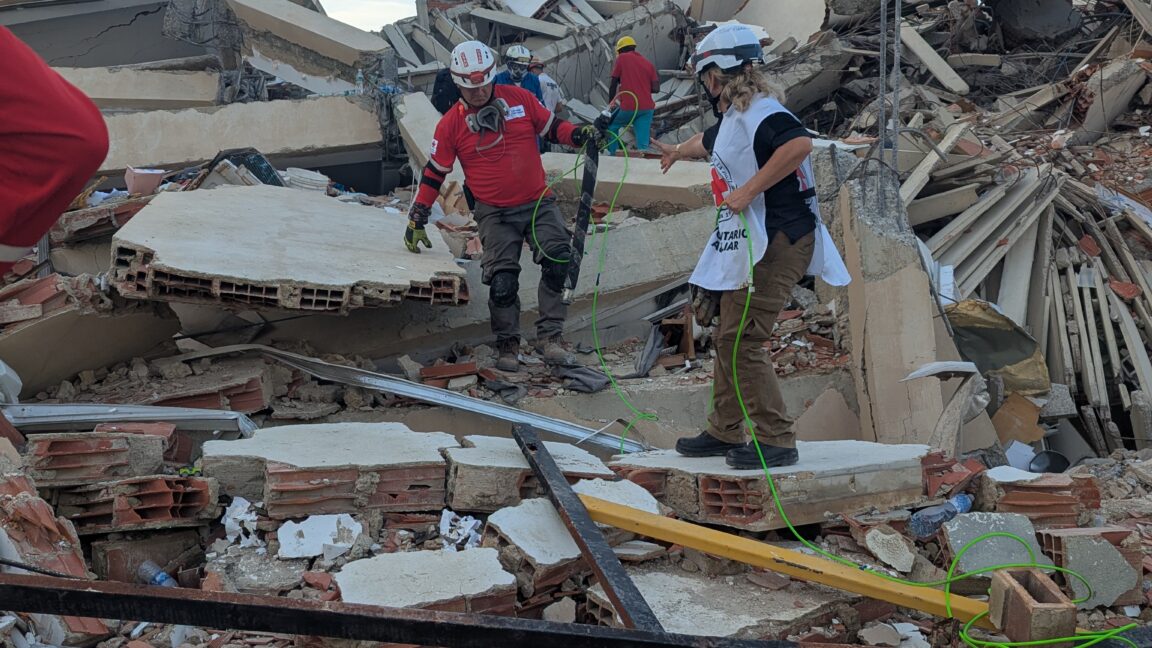
Specialized robot snakes developed by US researchers were deployed in Venezuela following a devastating earthquake. The robots were sent to search for survivors trapped within collapsed buildings. This deployment came after a direct request for assistance. The snake-like robots are designed to navigate treacherous debris fields and confined spaces where human rescuers might struggle to reach. Their advanced sensors and cameras allow them to detect signs of life, such as heat signatures or sounds, in the rubble. The initiative highlights the growing role of advanced robotics in disaster response scenarios. The researchers' rapid mobilization demonstrates a commitment to leveraging technology for humanitarian aid in critical situations. The operation in Venezuela is expected to provide valuable data for future advancements in search and rescue robotics.
The deployment of advanced robotics in disaster zones represents a significant evolution in humanitarian aid capabilities. This initiative showcases the potential for technology to overcome physical limitations in search and rescue operations, particularly in environments rendered inaccessible by structural collapse. The rapid response by US researchers underscores the increasing interconnectedness of global disaster relief efforts and the value placed on specialized technological assets. Future considerations may involve developing standardized protocols for international deployment of such robotic systems, ensuring rapid and equitable access to these life-saving technologies across diverse geopolitical contexts. The effectiveness of these snakebots in real-world scenarios will inform the next generation of autonomous search and rescue platforms, potentially reducing risks to human responders and increasing the probability of locating survivors.
AI-generated to prompt reflection — not editorial opinion, not advice, not a statement of fact. How this works.