US Rural Areas Face Growing Senior Population and Isolation Challenges
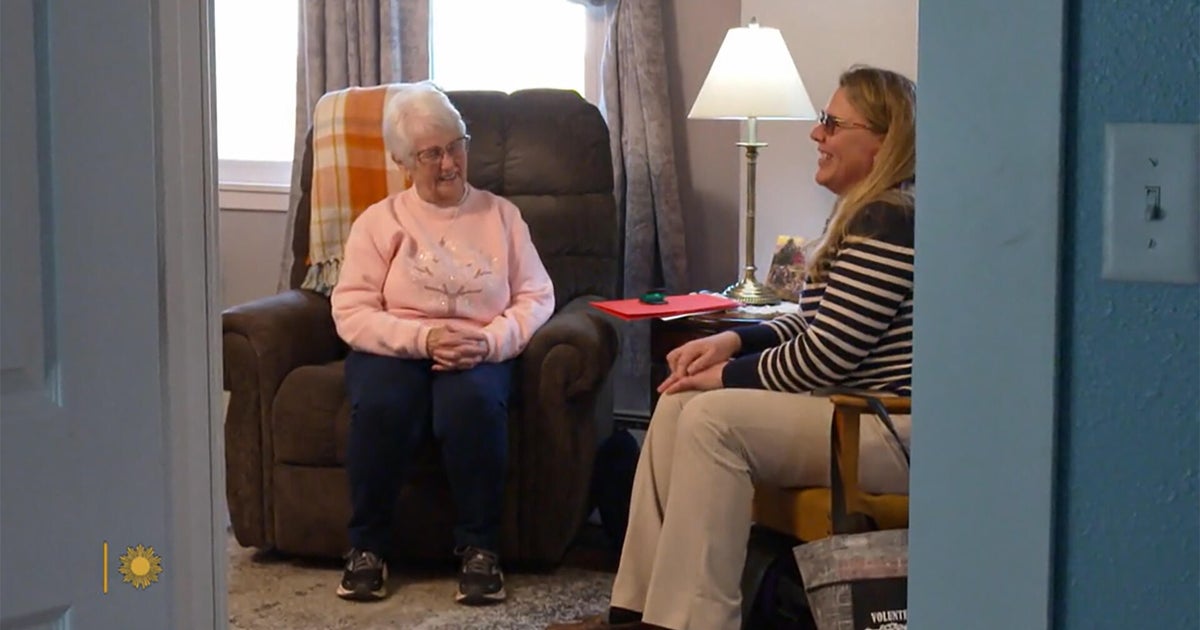
The United States is experiencing a significant increase in its aging population, particularly in rural areas. According to the USDA, the number of counties where at least 20% of residents are over 65 has nearly tripled since 2010. This demographic shift is concentrated in older, more rural communities, where the health risks associated with loneliness and social isolation are more pronounced. Correspondent Lee Cowan explored this issue in North Dakota, highlighting a program called Aging in Community. This initiative focuses on building connections among neighbors through a grassroots approach to support rural seniors. The program aims to combat the negative health impacts of isolation by fostering a stronger sense of community and mutual support among older residents in these underserved regions.
The demographic trend of an aging population in rural America presents a significant societal challenge, exacerbated by the increased risk of social isolation and its associated health consequences. Programs like 'Aging in Community' represent a community-driven response to address these systemic issues. Future policy and resource allocation will need to consider the sustainability of such grassroots efforts and explore scalable solutions that leverage technology and intergenerational programs. Addressing the needs of a growing senior population in geographically dispersed areas requires innovative approaches to healthcare access, social engagement, and infrastructure support, ensuring that these communities remain viable and supportive environments for all residents.
AI-generated to prompt reflection — not editorial opinion, not advice, not a statement of fact. How this works.