US Sanctions Brazilians, Companies Over Alleged PCC Money Laundering
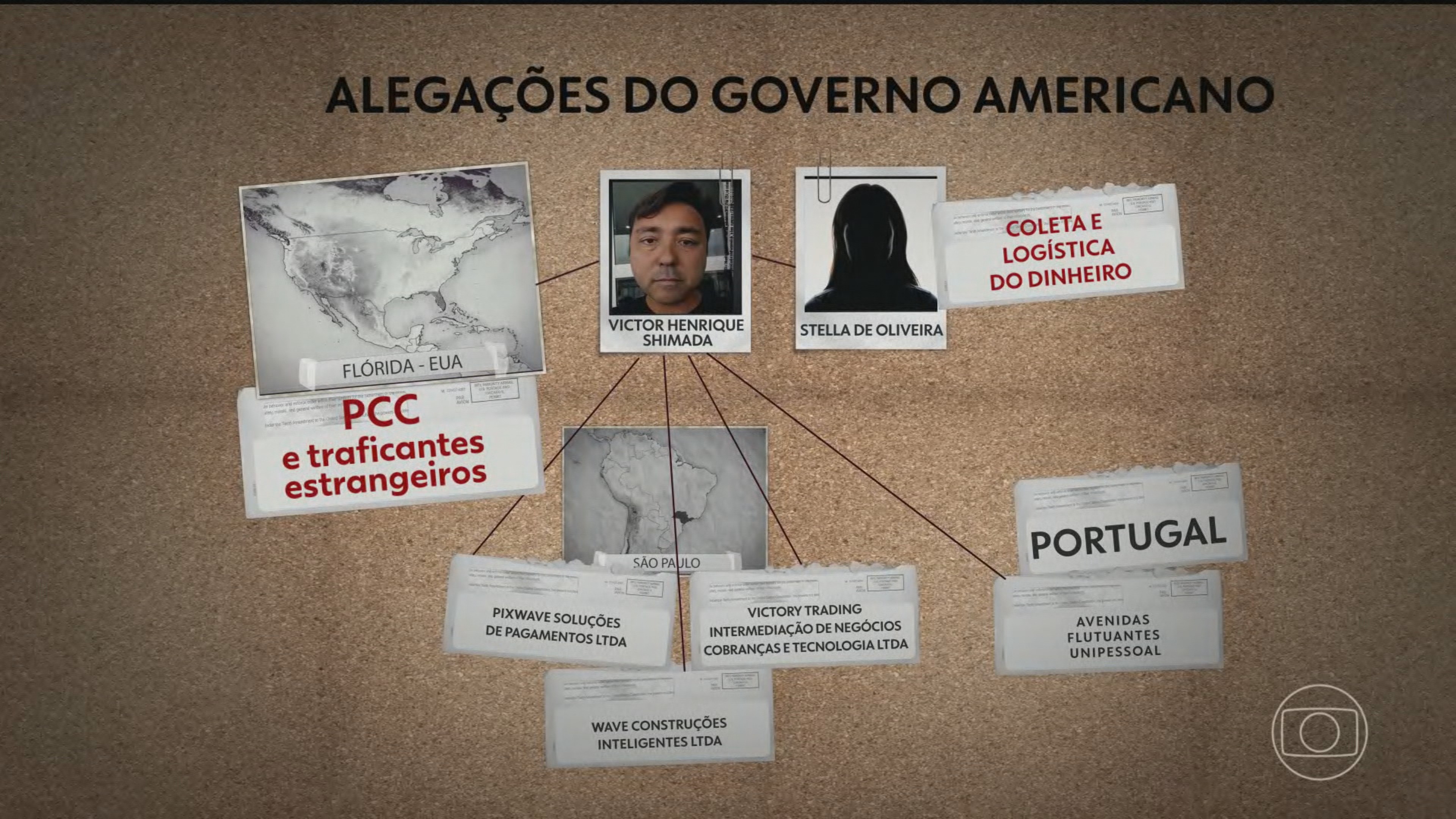
The United States Department of the Treasury has imposed sanctions on two Brazilian citizens, three companies based in São Paulo, and one Portuguese company for their alleged involvement in money laundering activities for the PCC (Primeiro Comando da Capital). This marks the first financial sanctions by the Trump administration against Brazilians since the PCC and Comando Vermelho were designated as international terrorist groups. The US Treasury described the PCC as the largest transnational criminal organization in the West, accusing it of exploiting the American financial system for drug trafficking proceeds. The sanctioned individuals are Victor Henrique de Oliveira Shimada and Stella Henrique de Oliveira, with Shimada identified as a key link between PCC operatives in Florida and foreign drug traffickers. The sanctioned companies include Victory Trading Intermediação de Negócios Cobranças e Tecnologia, Pixwave Soluções de Pagamentos, Wave Construções Inteligentes, all in São Paulo, and Avenidas Flutuantes Unipessoal, registered in Portugal. These entities allegedly facilitated the laundering of over $30 million, equivalent to more than R$ 150 million, for the PCC in Florida, with funds repatriated to Brazil via cryptocurrency transfers. The US has blocked assets of the individuals and companies and prohibited American transactions with them, also warning foreign financial institutions of potential penalties. Shimada is also under investigation for money laundering related to a sponsorship contract between the Corinthians football club and the betting company Vai de Bet, with accusations that his companies were used to launder R$ 35 million diverted from a bank and funds from the Corinthians deal. The investigation into the Corinthians contract also implicates the club's former president, Augusto Melo. The Brazilian National Secretary of Justice expressed concern about potential secondary effects of the sanctions on third parties and Brazilian financial institutions.
The US Treasury's sanctions against Brazilian individuals and entities highlight the persistent challenge of transnational organized crime and its sophisticated methods of financial exploitation. By targeting alleged money laundering operations linked to the PCC, the action underscores the global reach of criminal networks and their adeptness at navigating international financial systems, including the use of cryptocurrencies. This move also brings to light the complex interplay between illicit finance, legitimate businesses, and even major sports organizations, revealing potential vulnerabilities in oversight and compliance. Future efforts to counter such activities will likely require enhanced international cooperation, more robust regulatory frameworks for digital assets, and increased scrutiny of corporate structures that can be exploited for illicit purposes. The sanctions serve as a stark reminder of the need for continuous adaptation of anti-money laundering strategies in an increasingly interconnected and technologically driven global economy.
AI-generated to prompt reflection — not editorial opinion, not advice, not a statement of fact. How this works.