US Sanctions Brazilians Linked to PCC Drug Trafficking and Money Laundering
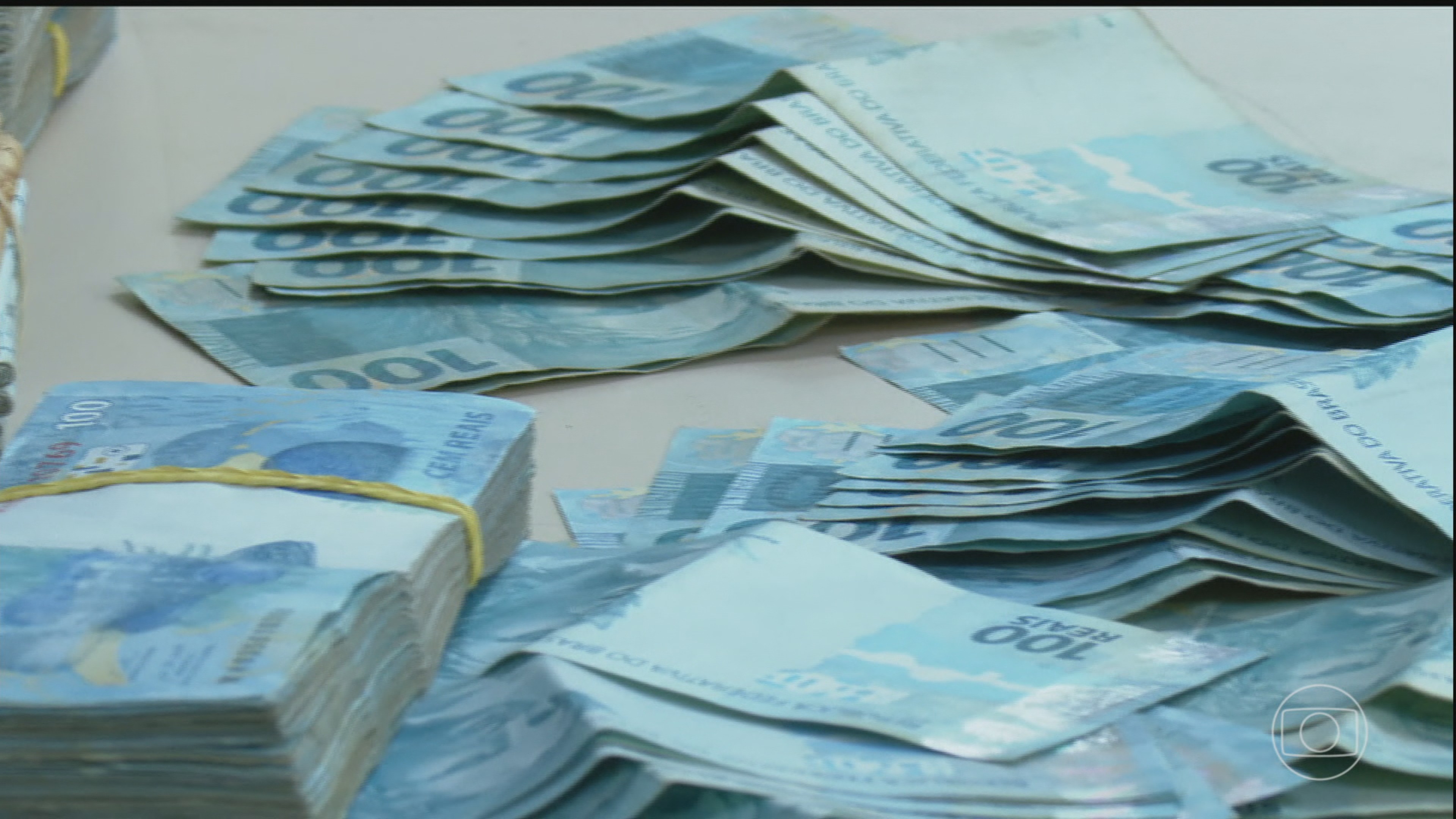
US Treasury documents reveal how American authorities identified Brazilian individuals involved in money laundering for the PCC criminal organization. The investigation began with the indictment of five Brazilians in Orlando, Florida, in January 2026, who confessed to laundering drug trafficking proceeds. The FBI described them as part of a sophisticated international money laundering network. Ygor Saviolli reportedly led the criminal core in the United States. The group operated in 12 American cities, using cash couriers to deposit illicit funds into various bank branches, ultimately aiming to obscure and return profits to drug suppliers. Over two years, the network allegedly moved approximately R$ 156 million. The confessions of these couriers were a starting point, but US intelligence traced the bank deposits to uncover a parallel network in Brazil responsible for receiving and moving funds out of the US to drug traffickers. This led to Victor Shimada and Stella de Oliveira, key targets of recent US sanctions. Shimada, known as 'o Japa,' and Oliveira, nicknamed 'Lara Croft,' allegedly managed the collection and transfer of funds. Oliveira reportedly organized cash collection, while Shimada acted as the link to PCC-affiliated traffickers, converting millions of dollars into virtual currency and laundering it through shell companies. Due to the US classifying the PCC as a terrorist group, Stella, Shimada, and his companies had their assets frozen. Shimada has prior convictions for illegal money laundering and is also implicated in a case involving fund diversions related to the Corinthians football club. Brazil's National Secretariat of Justice stated that combating organized crime should not justify unilateral measures that disregard international legal cooperation, warning of potential indirect effects on foreign financial institutions, including Brazilian ones. Shimada's lawyer denies his client's involvement in criminal organizations or money laundering. Attempts to contact the legal representatives of Stella de Oliveira and Ygor Saviolli were unsuccessful.
This case highlights the complex interplay between international law enforcement, financial intelligence, and the global challenge of combating organized crime and money laundering. The US Treasury's sanctions, targeting individuals and entities allegedly linked to the PCC, demonstrate a strategy of financial pressure to disrupt illicit operations. The investigation's progression from street-level cash couriers to high-level facilitators and the use of virtual currencies underscores the evolving tactics of criminal networks. Brazil's response, emphasizing international cooperation and potential indirect impacts on its financial sector, points to the delicate balance between national security interests and maintaining global financial stability. Future efforts will likely focus on enhancing cross-border information sharing and developing more robust mechanisms to track and freeze assets, particularly those converted into digital forms, to counter the adaptability of these organizations.
AI-generated to prompt reflection — not editorial opinion, not advice, not a statement of fact. How this works.