US-Saudi Atomic Pact Raises Nuclear Proliferation Concerns in Middle East
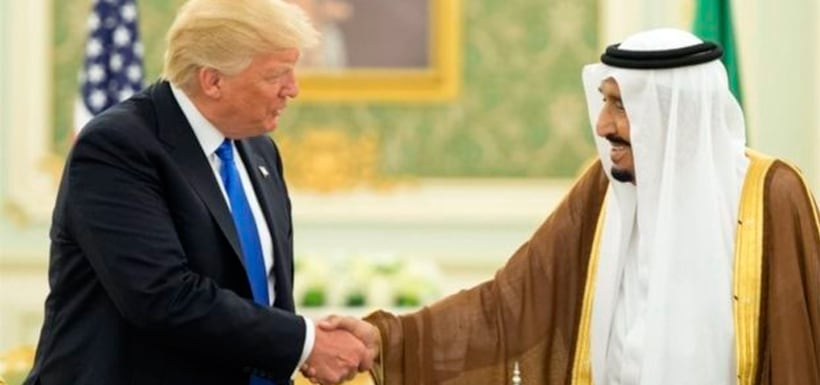
The Trump administration entered into an atomic cooperation agreement with Saudi Arabia that notably omits the enrichment veto previously demanded of other Gulf partners. This development has prompted warnings from U.S. lawmakers and Israeli officials. They express concern that the Kingdom of Saudi Arabia might leverage its civilian nuclear program to advance its capability towards producing a nuclear warhead. The agreement's structure, particularly the absence of strict limitations on uranium enrichment, is seen as a potential pathway for Saudi Arabia to acquire nuclear weapons technology. This situation is creating significant apprehension regarding regional security and the broader implications for nuclear non-proliferation efforts in the Middle East.
The U.S.-Saudi atomic cooperation agreement, by potentially allowing uranium enrichment without stringent oversight, introduces a complex dynamic into Middle Eastern security. This approach may reflect a strategic calculus prioritizing bilateral relations or energy development over immediate non-proliferation risks. However, it could inadvertently incentivize a regional arms race, as other nations might seek similar concessions or develop their own enrichment capabilities. The long-term implications depend on robust verification mechanisms and international diplomatic efforts to manage the inherent tension between civilian nuclear energy aspirations and the potential for weapons proliferation. This situation highlights the ongoing challenge of balancing energy needs with global security imperatives in a geopolitically sensitive region.
AI-generated to prompt reflection — not editorial opinion, not advice, not a statement of fact. How this works.