US-Saudi Deal Raises Concerns Over Uranium Enrichment and Arms Race
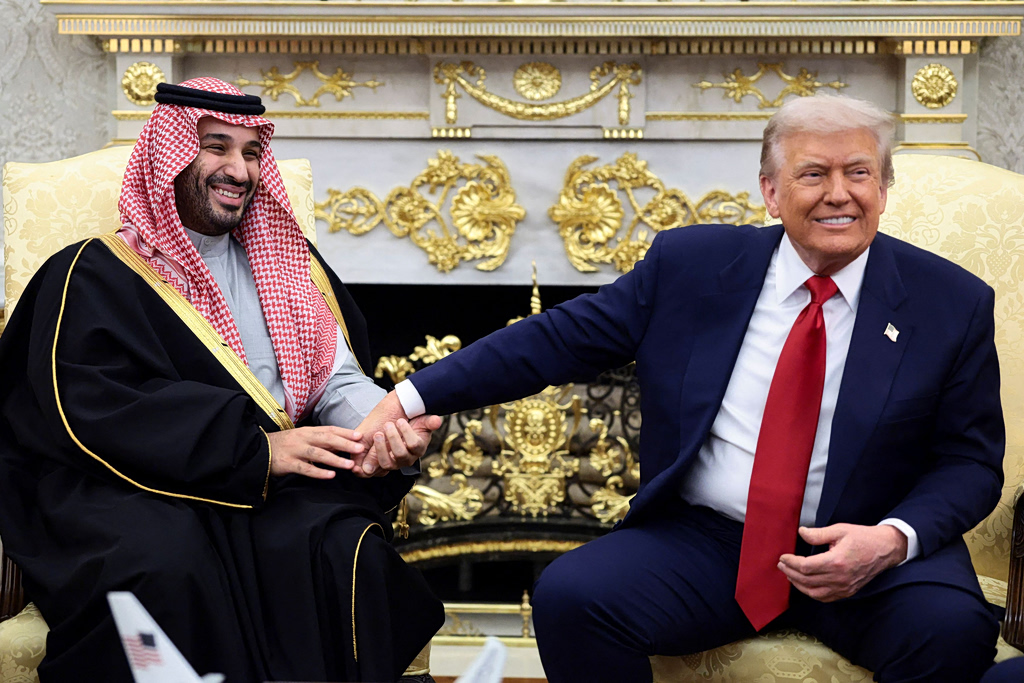
A recent agreement between the United States and Saudi Arabia has opened the door for Riyadh to potentially enrich uranium. This development has sparked significant international reactions and raised fears of a new arms race in the Middle East. The deal grants Saudi Arabia the prospect of developing its own uranium enrichment capabilities, a sensitive technology with dual-use implications. Critics and regional observers are concerned that this move could destabilize the already volatile region further. They worry that it might encourage other nations in the Middle East to pursue similar nuclear programs. This could lead to an escalation of military capabilities and a heightened risk of proliferation. The international community is closely monitoring the situation, with many calling for strict oversight and transparency regarding Saudi Arabia's nuclear ambitions. The potential for a new arms race is a significant concern, given the existing geopolitical tensions in the region.
The US-Saudi nuclear cooperation agreement introduces a complex dynamic into Middle East geopolitics. By permitting Saudi Arabia a pathway to uranium enrichment, the pact could be interpreted as a strategic recalibration of regional power balances, potentially aimed at countering perceived threats or fostering energy independence. However, this move carries inherent risks of proliferation and could incentivize other regional actors to pursue similar nuclear capabilities, thereby escalating existing security concerns and potentially triggering an arms race. The long-term implications will depend on the robustness of international safeguards, the transparency of Saudi Arabia's nuclear program, and the broader geopolitical responses from key international players. The agreement necessitates a careful balancing act between fostering energy development and mitigating the risks associated with nuclear technology in a sensitive region.
AI-generated to prompt reflection — not editorial opinion, not advice, not a statement of fact. How this works.