US, Saudi Forces Strike Iran-Aligned Militants in Iraq After Drone Attacks
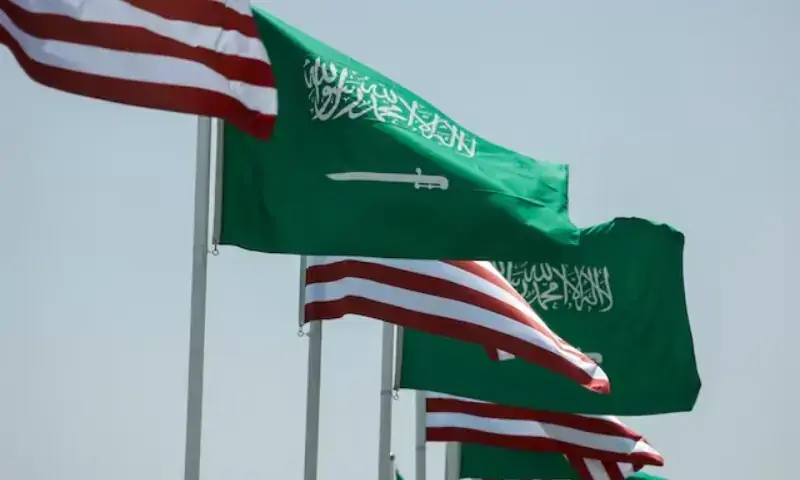
Combined US and Saudi forces conducted precision strikes in eastern Iraq on Wednesday, targeting "Iran-aligned terrorists" and their logistics sites. This action was a direct response to over 30 drone attacks attributed to Iran's Islamic Revolutionary Guard Corps (IRGC) within the preceding 72 hours. The US military stated that these strikes were aimed at disrupting the IRGC's ability to attack American forces and Saudi energy infrastructure. Saudi Arabia's defense ministry corroborated this, linking the "terrorist militias loyal to Iran" to previous attacks on the kingdom's oil facilities.
The strikes occurred shortly after a brief pause in hostilities ended, during which US forces intercepted missiles launched by Iran at American bases in the Gulf. The US had previously indicated the cessation of fighting was intended to facilitate new negotiations, including those concerning the vital Strait of Hormuz. In parallel, Iran's IRGC claimed to have attacked and stopped three tankers in the strait, asserting its "full control" over the waterway. Meanwhile, President Donald Trump met with Israeli Prime Minister Benjamin Netanyahu in Washington for their first in-person talks since the Middle East war began in late February. The leaders discussed shared goals, including preventing Iran from obtaining nuclear weapons, though specific details on other topics like Gaza reconstruction and a US-sponsored framework deal with Lebanon were not immediately clear. Crude oil prices surged over four percent amid renewed fears for global supplies typically shipped through the Strait of Hormuz.
The recent military actions and diplomatic engagements highlight a complex geopolitical landscape characterized by escalating tensions and strategic maneuvering. The combined US-Saudi strikes, framed as retaliation, demonstrate a coordinated effort to deter Iranian-backed aggression against critical infrastructure and forces. This response, however, risks further entrenching a cycle of escalation, potentially impacting global energy markets and regional stability. The concurrent meeting between President Trump and Prime Minister Netanyahu underscores the alignment of interests between the US and Israel, particularly concerning Iran's nuclear ambitions and regional influence. The situation in the Strait of Hormuz remains a critical flashpoint, with Iran asserting control while international actors seek to ensure freedom of navigation. Future developments will likely hinge on the effectiveness of deterrence, the willingness of parties to engage in de-escalation, and the broader implications of shifting global energy dynamics in the coming decade.
AI-generated to prompt reflection — not editorial opinion, not advice, not a statement of fact. How this works.