US-Saudi Nuclear Deal Faces Setback Amidst Regional Tensions
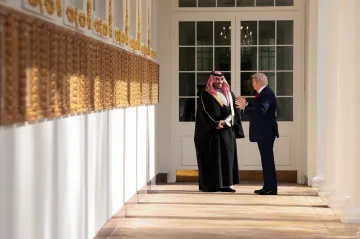
A new agreement between the United States and Saudi Arabia concerning cooperation on the kingdom's future civilian nuclear program is generating significant debate. Some experts warn that the deal could escalate an arms race in an already volatile region. Conversely, other analysts view it as a diplomatic success for the West, having seemingly outmaneuvered China and Russia in securing influence over Saudi Arabia's nuclear ambitions. However, the implementation of this agreement remains uncertain. The White House has retroactively conditioned its approval on Saudi Arabia recognizing Israel. Riyadh has remained silent for a week following this demand, despite previously rejecting such a move without the establishment of a Palestinian state. This diplomatic impasse currently persists, leaving the future of the nuclear cooperation in doubt.
The US-Saudi nuclear cooperation agreement highlights the complex geopolitical dynamics at play in the Middle East. While the US aims to promote civilian nuclear technology and potentially foster regional stability through engagement, the condition of recognizing Israel introduces a significant hurdle. This conditionality risks alienating Saudi Arabia and potentially pushing it towards closer ties with China and Russia, who may offer alternative partnerships without such preconditions. The situation underscores a broader trend where strategic partnerships are increasingly leveraged as diplomatic tools, with potential implications for regional security and the global non-proliferation regime. The long-term success of such agreements will likely depend on balancing national security interests with broader regional diplomatic considerations and the evolving global energy landscape.
AI-generated to prompt reflection — not editorial opinion, not advice, not a statement of fact. How this works.