US-Saudi Nuclear Deal Sparks Proliferation Concerns
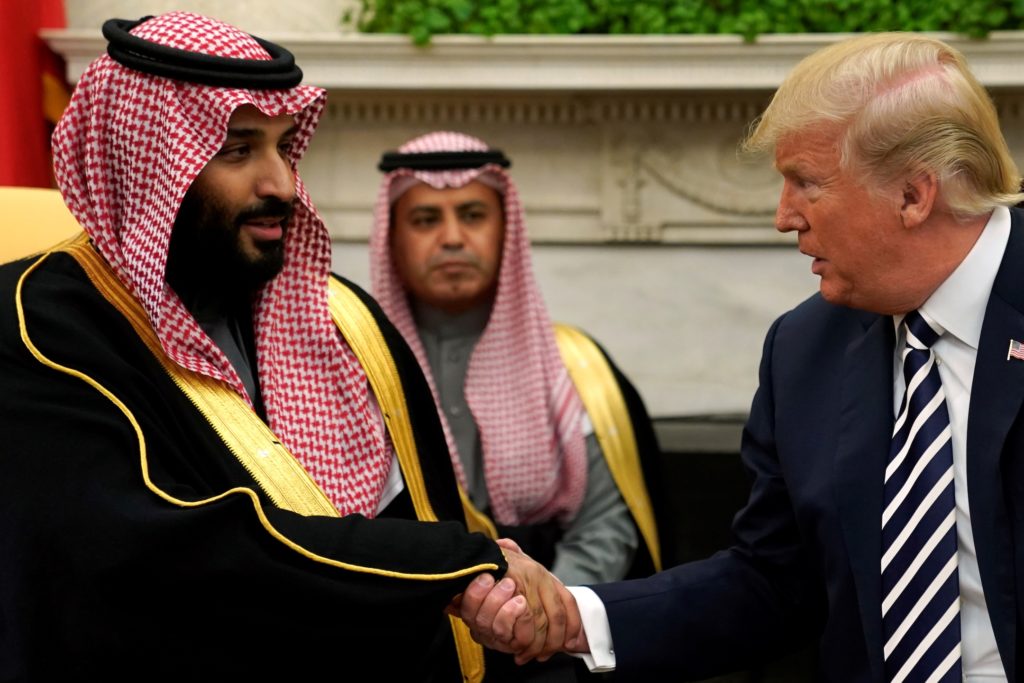
The United States and Saudi Arabia have finalized a significant agreement that will enable the kingdom to develop a civilian nuclear program utilizing American technology. A key aspect of this deal is the potential for Saudi Arabia to conduct uranium enrichment within its own borders. However, this development has drawn sharp criticism from various quarters, with experts and observers warning that the agreement could inadvertently contribute to the further spread of nuclear weapons technology globally. The implications of this deal are being further examined and discussed, highlighting the delicate balance between energy development and nuclear non-proliferation efforts.
The US-Saudi nuclear cooperation agreement presents a complex geopolitical scenario, balancing energy security aspirations with global non-proliferation regimes. The inclusion of uranium enrichment capabilities for Saudi Arabia, while framed within a civilian nuclear program, introduces a critical point of scrutiny. International oversight mechanisms will be paramount in ensuring adherence to peaceful uses and preventing diversion of nuclear materials or technology. The long-term implications hinge on robust verification protocols and the evolving regional security dynamics, particularly concerning the potential for an arms race or increased geopolitical instability.
AI-generated to prompt reflection — not editorial opinion, not advice, not a statement of fact. How this works.