US-Saudi nuclear deal sparks proliferation concerns
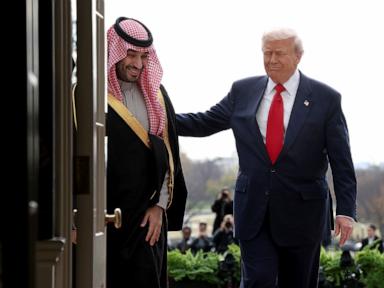
A significant nuclear energy agreement between the United States and Saudi Arabia has drawn criticism from experts specializing in nuclear proliferation. These experts are raising alarms about the potential implications of the deal for the spread of nuclear technology and materials. The agreement, described as historic, signifies a deepening of the energy relationship between the two nations. However, the specific terms and safeguards associated with the transfer of nuclear technology are under scrutiny. Concerns are focused on whether the deal adequately addresses the risks of diversion for non-peaceful purposes. The international community is watching closely as this development unfolds, given the sensitive nature of nuclear energy and its potential dual-use applications. The debate highlights the ongoing tension between expanding nuclear energy access and preventing nuclear weapons proliferation.
The US-Saudi nuclear energy cooperation presents a complex strategic calculus. While fostering energy partnerships can yield economic and geopolitical benefits, the inherent risks of nuclear proliferation demand rigorous oversight. The incentive structure for Saudi Arabia to develop civilian nuclear power must be carefully balanced against international non-proliferation norms and the potential for technological diffusion. Future policy decisions should prioritize robust verification mechanisms and transparency to mitigate long-term security risks, ensuring that advancements in nuclear energy do not inadvertently undermine global stability in the coming decades.
AI-generated to prompt reflection — not editorial opinion, not advice, not a statement of fact. How this works.