US-Saudi Nuclear Deal: Understanding the Civilian Atom Energy Agreement
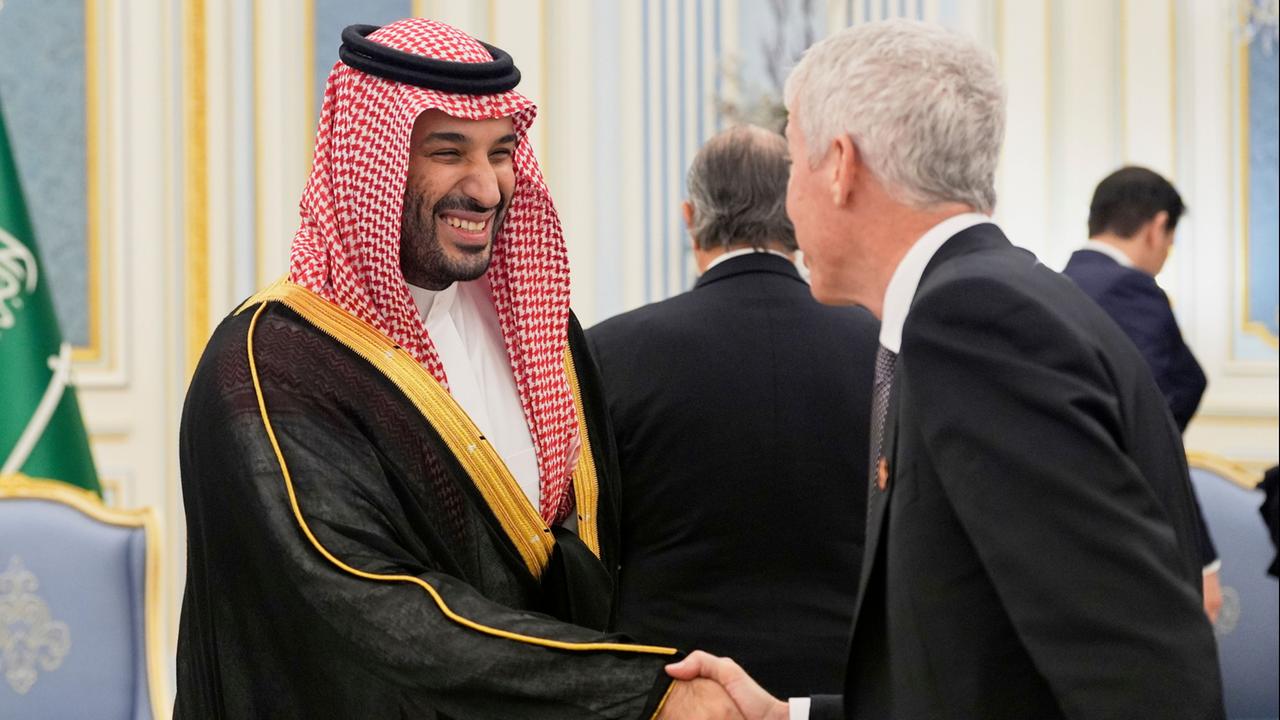
The agreement between the United States and Saudi Arabia concerns the civilian use of nuclear energy. Despite its stated purpose, the deal is fueling concerns about a potential nuclear arms race in the Middle East. The core of the agreement revolves around the peaceful application of atomic power. However, the implications of this pact are being closely scrutinized due to regional geopolitical tensions. The deal aims to facilitate cooperation in developing Saudi Arabia's civilian nuclear program. This includes aspects like nuclear power generation and potentially other peaceful applications of nuclear technology. The controversy stems from the potential for dual-use technology and the broader security landscape of the Middle East. Critics worry that such agreements could inadvertently contribute to proliferation risks. The United States has stated its commitment to ensuring strict safeguards and non-proliferation measures are in place. Nevertheless, the region's history of mistrust and conflict makes any advancement in nuclear technology a sensitive issue. The agreement's significance lies in its potential to reshape energy policies and security dynamics in the region.
The US-Saudi nuclear agreement, framed around civilian energy, highlights the persistent tension between energy development and non-proliferation in a volatile region. The core issue is the inherent dual-use nature of nuclear technology, where civilian programs can potentially be leveraged for military purposes. This presents a complex governance challenge for international oversight bodies and the involved nations. The regional context, marked by historical rivalries and security concerns, amplifies these risks, creating an incentive structure where perceived security deficits can drive demand for advanced technologies. Looking ahead, the long-term implications will depend on the robustness of verification mechanisms and the evolving geopolitical landscape, particularly concerning the balance of power and trust among regional actors. The agreement thus serves as a case study in managing technological advancement within complex international security frameworks.
AI-generated to prompt reflection — not editorial opinion, not advice, not a statement of fact. How this works.