US-Saudi Nuclear Deal: What's at Stake?
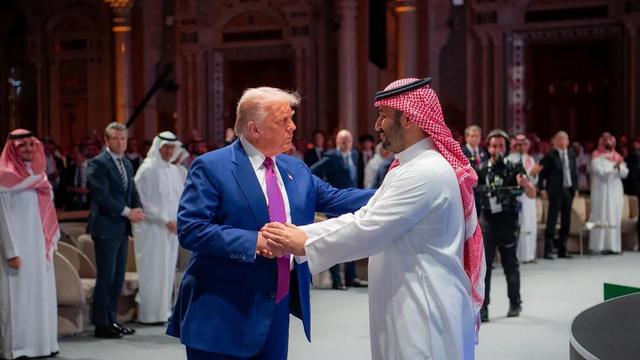
The United States intends to provide Saudi Arabia with technology for the construction of nuclear power plants. This proposed agreement has sparked significant debate and criticism. The core of the deal involves the transfer of advanced nuclear technology, which could enable Saudi Arabia to develop its own nuclear energy capabilities.
The US government is pursuing this agreement with specific strategic and economic objectives in mind. However, concerns have been raised by various international actors regarding the potential implications of such a transfer. These concerns often center on nuclear proliferation risks and the broader geopolitical stability of the Middle East region.
The proposed US-Saudi nuclear technology transfer represents a complex interplay of energy security, geopolitical strategy, and non-proliferation concerns. From an incentive structure perspective, the US may seek to bolster regional alliances, secure economic partnerships, and establish a framework for peaceful nuclear energy development under its oversight. However, the inherent dual-use nature of nuclear technology necessitates robust verification mechanisms to mitigate proliferation risks. The long-term implications will depend on the strength of international safeguards and Saudi Arabia's commitment to civilian nuclear programs, particularly in a region with existing geopolitical tensions. This situation highlights the ongoing challenge of balancing energy demands with global security imperatives in the coming decade.
AI-generated to prompt reflection — not editorial opinion, not advice, not a statement of fact. How this works.