US-Saudi Nuclear Pact Sparks Proliferation Concerns in Washington and Middle East
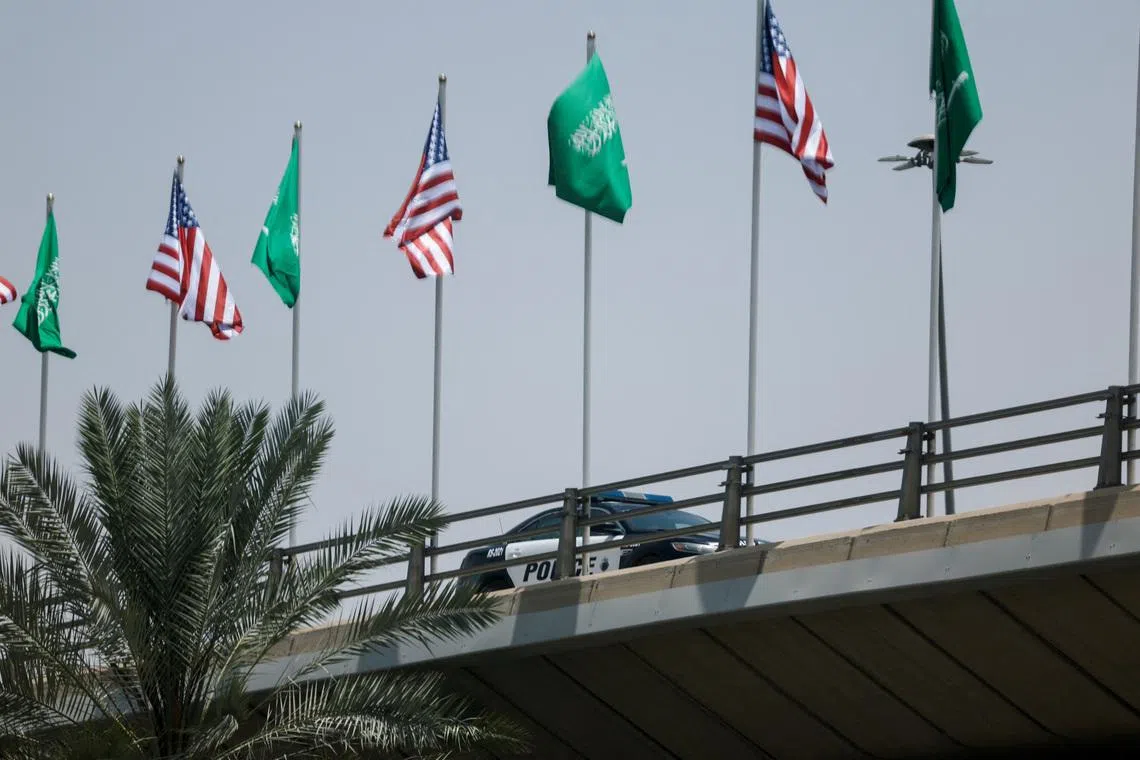
The Trump administration is reportedly backing a nuclear energy agreement with Saudi Arabia that would permit Riyadh to enrich uranium and process spent atomic fuel. This potential pact has raised alarms among regional states, who are concerned about the proliferation of nuclear weapons. The specifics of the deal were revealed by two sources familiar with the matter. The agreement could allow Saudi Arabia to develop a domestic nuclear fuel cycle, which is a sensitive issue given the region's geopolitical landscape. Critics worry that such capabilities could be diverted for military purposes, despite assurances of peaceful intent. The United States has historically sought to prevent the spread of nuclear technology to countries that could pose a security risk. This proposed pact appears to deviate from that stance, leading to significant unease. The implications of this agreement are being closely watched by international observers and governments alike.
The proposed US-Saudi nuclear pact presents a complex geopolitical trade-off between energy cooperation and nuclear non-proliferation. While enabling a peaceful nuclear energy program for Saudi Arabia could foster economic development and energy diversification, the authorization for uranium enrichment and spent fuel processing inherently increases proliferation risks. This is particularly sensitive in a region with existing geopolitical tensions and a history of nuclear competition. The US administration's decision may be driven by strategic interests, such as strengthening ties with Saudi Arabia or securing commercial opportunities for US nuclear firms. However, it necessitates robust verification mechanisms and international oversight to mitigate the potential for diversion. The long-term implications hinge on Saudi Arabia's adherence to international safeguards and the broader regional response to this development, potentially influencing future nuclear governance frameworks.
AI-generated to prompt reflection — not editorial opinion, not advice, not a statement of fact. How this works.