US-Saudi Strike on Iraqi Militia Sparks Fears of Wider Conflict
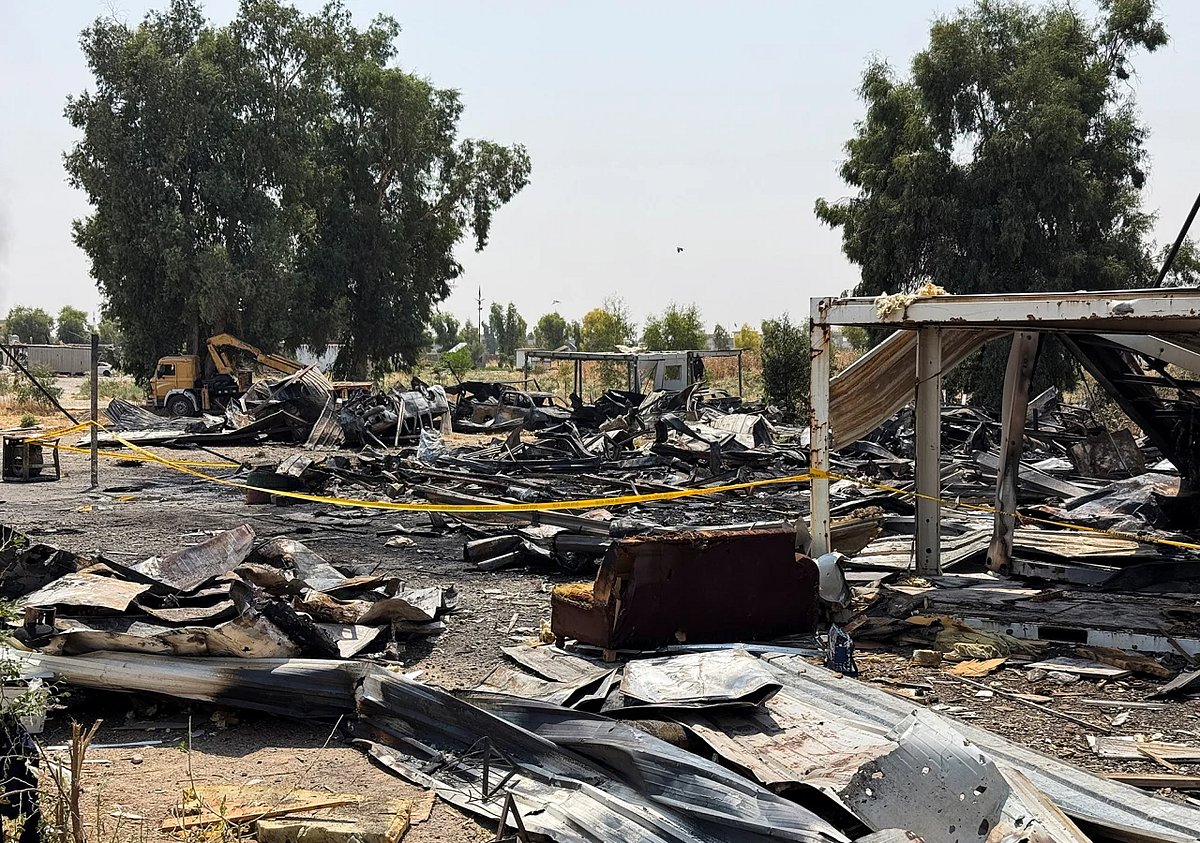
The United States and Saudi Arabia launched coordinated strikes early Wednesday on multiple bases belonging to an Iran-backed armed group in Iraq, resulting in the deaths of at least 20 fighters from the Popular Mobilization Forces (PMF) and injuring over 30. This action follows a period of relative calm, with the US having suspended bombings in Iran just 13 days prior. The joint operation marks Saudi Arabia's first public participation in a military action with the US since the latter's aggression against Iran began on February 28. The strikes have heightened concerns about a broader regional conflict, while simultaneously intensifying international diplomatic efforts to de-escalate tensions.
Simultaneously, Iran launched a surprise missile attack on a US base in Jordan. U.S. President Donald Trump vowed that Iran would pay a "heavy price" for this attack. The PMF reported that its bases across several Iraqi provinces, including Baghdad, Nineveh, Basra, Kirkuk, Karbala, Diyala, and Wasit, were targeted. Iraqi Prime Minister Ali al-Zaydi convened an emergency meeting of his national security council, and President Nezar Amedi condemned the strikes as "unacceptable" violations of Iraqi sovereignty, stating Iraq's territory should not be used as a staging ground for attacks or a battleground for regional powers. Iran's Foreign Ministry also denounced the attacks, accusing the US and its allies of destabilizing the situation.
Analysts note that US bases in Jordan, where approximately 4,000 US troops are stationed, have become a primary target for Iran since the recent escalation. The US military is reportedly considering restrictions on soldiers' mobile phone usage, fearing that leaked photos and videos could aid Iran in targeting and assessing damage. The tit-for-tat attacks have overshadowed a proposed memorandum of understanding between Iran and Pakistan aimed at finalizing a ceasefire within 60 days, raising fears that the conflict could spread beyond the Red Sea and the Strait of Hormuz.
The recent escalation, marked by US-Saudi strikes in Iraq and Iranian retaliatory actions in Jordan, highlights the volatile strategic landscape in the Middle East. The interconnected nature of these attacks suggests a complex web of deterrence, retaliation, and proxy engagement, where actions by one state actor can trigger immediate and significant responses from another. The involvement of Saudi Arabia alongside the US in striking an Iran-backed group signals a potential recalibration of regional alliances and a more assertive stance against Iranian influence. However, this increased military activity risks further destabilizing an already fragile region, potentially drawing in more actors and exacerbating humanitarian concerns. The international community's renewed diplomatic push underscores the urgency of de-escalation, but the immediate future likely involves continued military posturing and the persistent threat of wider conflict.
AI-generated to prompt reflection — not editorial opinion, not advice, not a statement of fact. How this works.