US Scientists Create First Fully Synthetic, Self-Replicating Cell
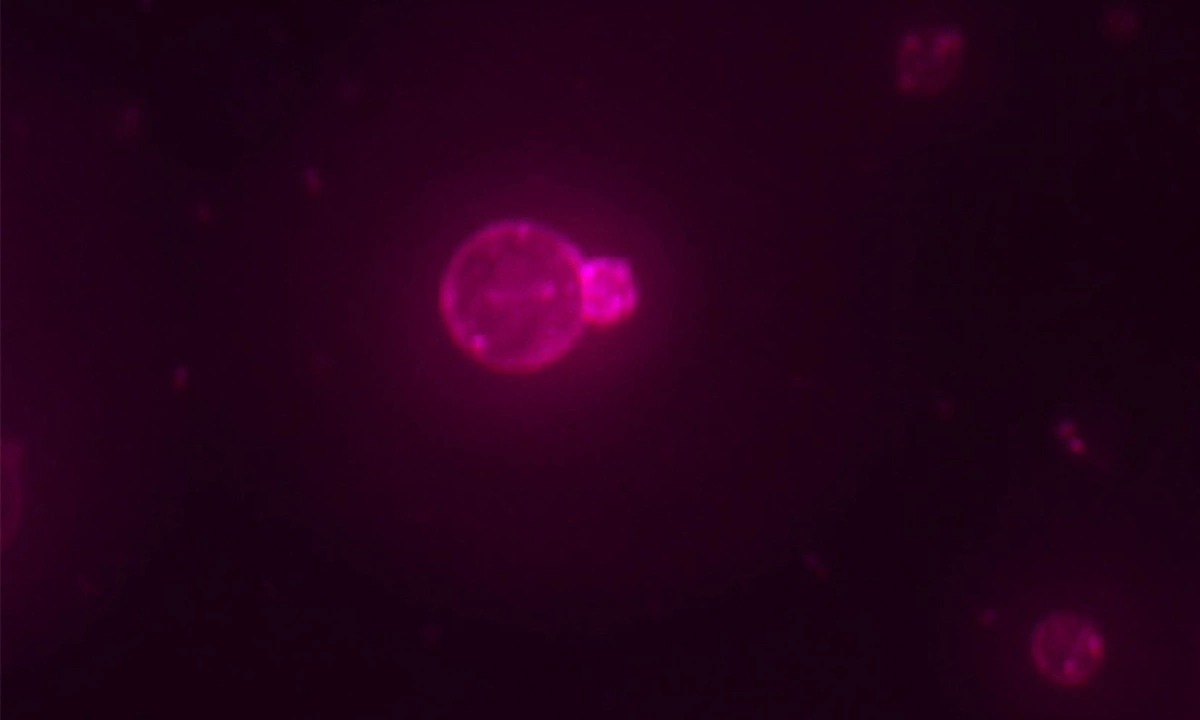
American scientists have successfully engineered the first complete synthetic cell, capable of growth and division akin to natural cells. This groundbreaking achievement was realized by utilizing inorganic compounds to construct the artificial cellular structure. The synthetic cell demonstrates key biological functions, marking a significant milestone in synthetic biology. Researchers were able to replicate the fundamental processes of life in a non-biological construct. This development opens new avenues for understanding cellular mechanisms and potentially for bio-engineering applications. The team's work signifies a major step forward in the quest to create life from non-living components. Further research will explore the full capabilities and limitations of these synthetic cells. The potential implications range from novel drug delivery systems to advanced biomaterials.
This scientific advancement in creating a fully synthetic, self-replicating cell from inorganic compounds represents a profound leap in bioengineering. By mimicking natural cellular processes, researchers are pushing the boundaries of life sciences, potentially offering new paradigms for medicine, materials science, and fundamental biological research. The development raises important questions about the definition of life and the ethical considerations surrounding artificial biological systems. Future implications may include novel therapeutic approaches and advanced manufacturing techniques, but careful consideration of safety, control, and societal impact will be paramount as this technology matures over the next decade.
AI-generated to prompt reflection — not editorial opinion, not advice, not a statement of fact. How this works.