US Secretary of State Launches Campaign to Dismantle International Criminal Court
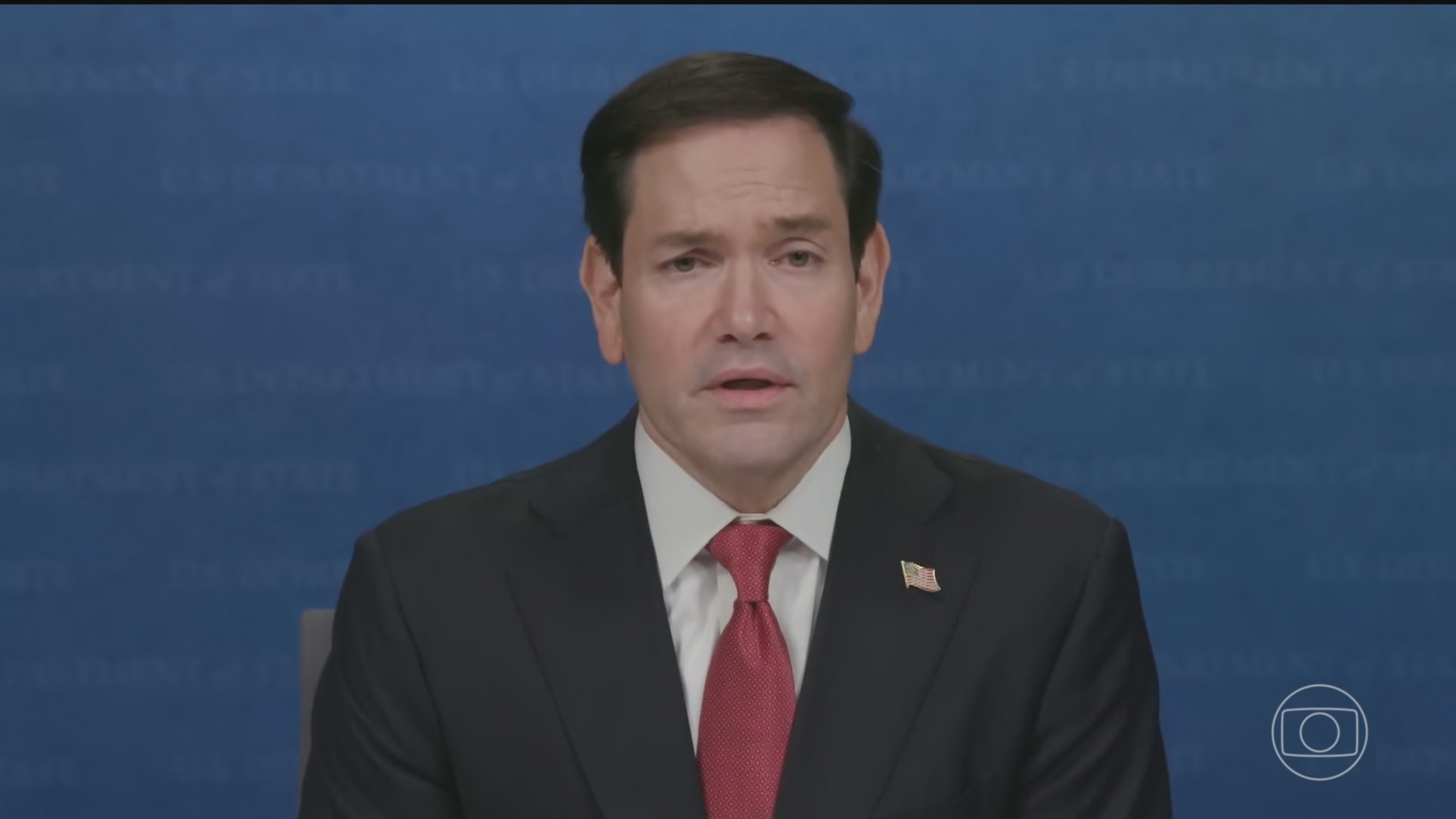
U.S. Secretary of State Marco Rubio has initiated a new campaign aimed at dismantling the International Criminal Court (ICC), an institution of the United Nations. Rubio stated that the ICC and its allies are waging a war against the United States, not with conventional weapons, but through statutes, treaties, and international law. He argued that the court poses a threat to the U.S. political and legal system, with the potential to prosecute American citizens, including border agents and military personnel. This initiative follows the Trump administration's challenge in 2018 to a preliminary investigation into alleged torture by U.S. soldiers in Afghanistan. Rubio declared the administration's intention to use all available government instruments and collaborate with allies to dismantle the ICC. The State Department has announced several measures, including sanctions against the court and affiliated organizations, visa revocations for ICC officials, and pressure on member states. Established in 2002 to prosecute war crimes, crimes against humanity, and genocide, the ICC has 125 member states, though the U.S., China, Russia, India, Israel, and Iran are not signatories. However, the court can assert jurisdiction if crimes are committed by citizens of non-member states on the territory of a signatory nation. The ICC lacks its own police force and relies on member states for arrests. Over 100 countries have agreements with the U.S. not to extradite Americans to the ICC. Alex Whiting, a former ICC prosecutor, suggested the campaign is a preemptive response to U.S. actions criticized under international law, such as operations in the Caribbean, Venezuela, and Iran. Kenneth Roth, a professor at Princeton University, countered that the Trump administration lacks the authority to dismantle the court, predicting that other nations will not abandon the ICC due to pressure from the U.S. seeking impunity for war crimes.
The U.S. campaign against the International Criminal Court highlights a fundamental tension between national sovereignty and international legal frameworks. The stated U.S. concern centers on the potential for extraterritorial jurisdiction over its citizens, reflecting a broader debate about the balance of power in global governance and the perceived threats to national autonomy posed by multilateral institutions. This action can be viewed through the lens of incentive structures, where a powerful state seeks to shield its actors from external oversight, particularly when its foreign policy actions may attract international scrutiny. The effectiveness of this campaign will depend on the willingness of other signatory nations to prioritize their alignment with U.S. foreign policy objectives over their commitment to international justice mechanisms. Looking ahead, the increasing interconnectedness and the potential for AI-driven analysis of global events may further complicate the relationship between states and international tribunals, necessitating a re-evaluation of accountability in a multipolar world.
AI-generated to prompt reflection — not editorial opinion, not advice, not a statement of fact. How this works.