US Secretary of State Marco Rubio Addresses Global Conference on Political Terrorism
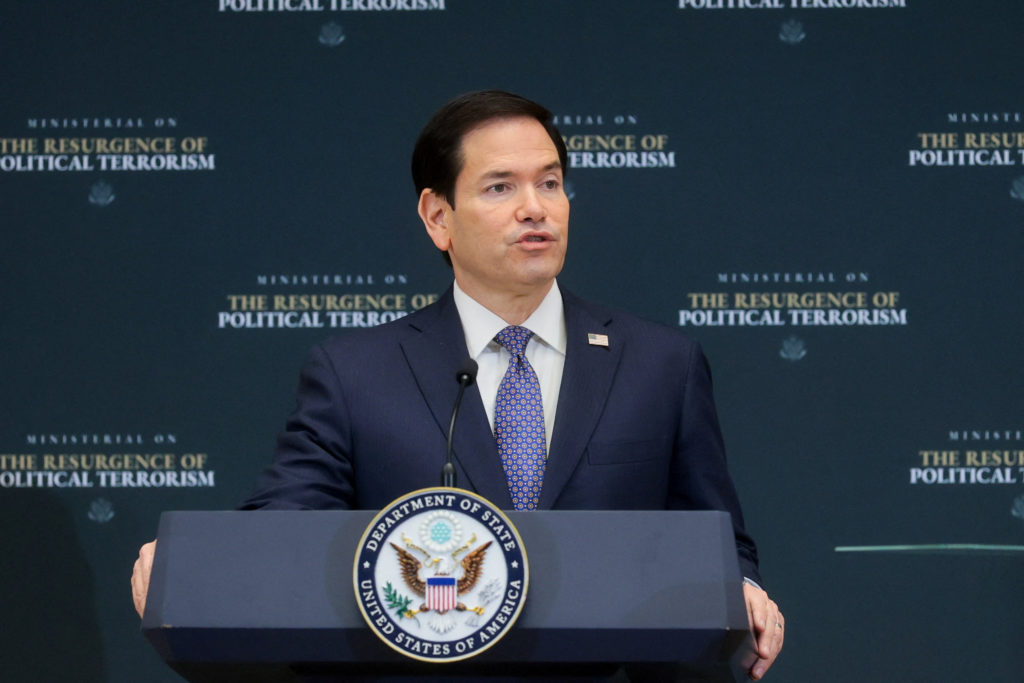
On Thursday, US Secretary of State Marco Rubio led a significant international gathering, bringing together representatives from over 60 nations. This conference, spearheaded by the Trump administration, focused on addressing what it has identified as "left wing" political terrorism. This initiative is being highlighted as a key priority for the Republican party as they approach the upcoming midterm elections. The event aimed to foster international cooperation and develop strategies to counter this specific form of political violence. Secretary Rubio's involvement underscores the administration's commitment to tackling this issue on a global scale. The conference served as a platform for dialogue and the exchange of best practices among participating countries. The focus on "left wing" terrorism suggests a particular political framing of the threat being addressed. The timing of the conference, close to the midterm elections, indicates its potential role in shaping political discourse and voter perception.
The conference convened by Secretary Rubio addresses political terrorism, framing it as a "left wing" threat, which aligns with specific political narratives prevalent in the US. From a systemic perspective, defining and combating terrorism often involves complex geopolitical considerations and can be influenced by domestic political agendas. The administration's focus on this issue, particularly in the lead-up to midterm elections, suggests an effort to mobilize a particular segment of the electorate by highlighting perceived threats. Future analysis should consider how international cooperation on counter-terrorism is balanced with national political objectives and whether such framing contributes to or detracts from effective global security strategies. The long-term implications involve understanding the potential for politicized definitions of terrorism to impact international relations and domestic policy.
AI-generated to prompt reflection — not editorial opinion, not advice, not a statement of fact. How this works.