US Secretary of State Marco Rubio: Iran Begs for Deal, Will Keep Paying
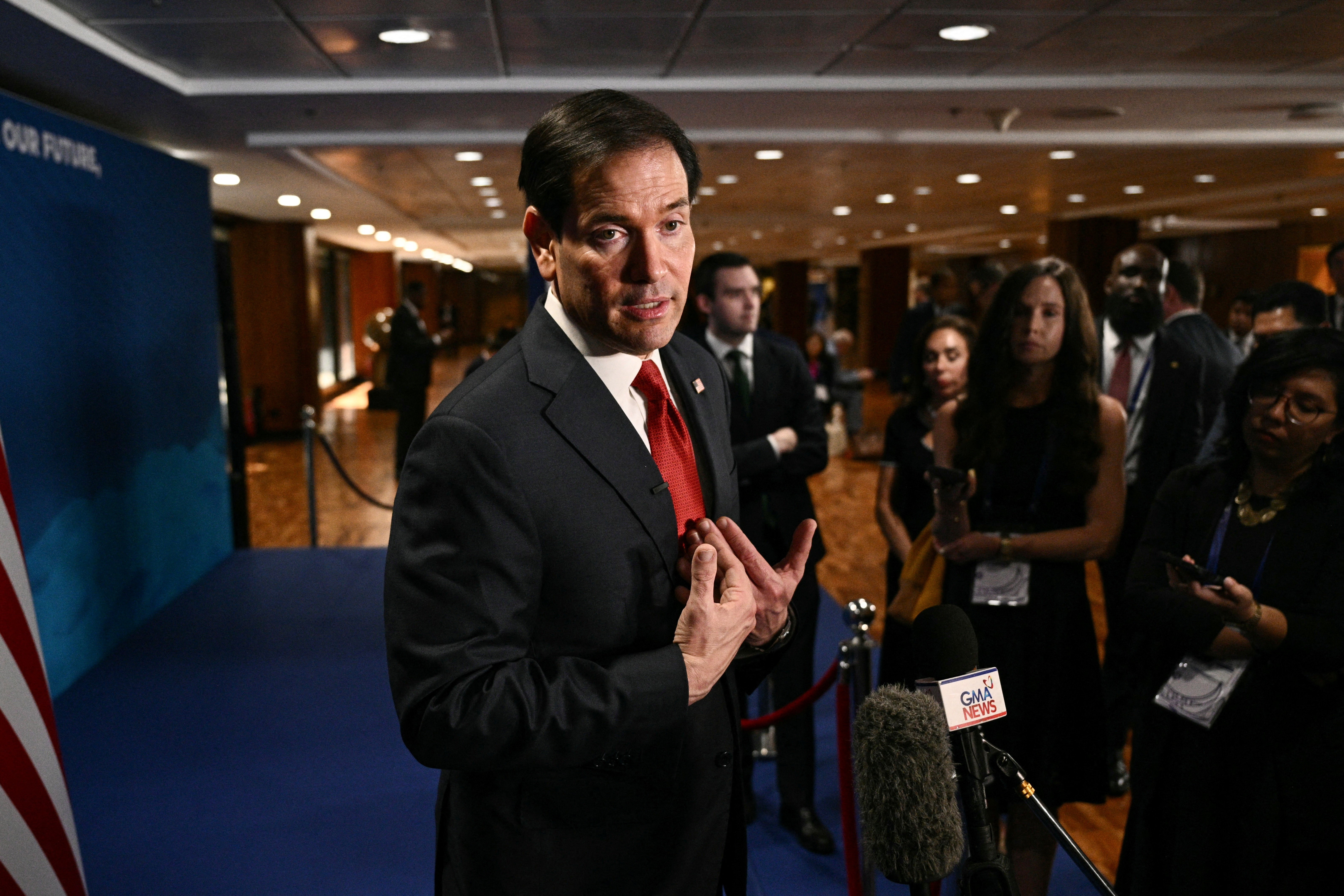
U.S. Secretary of State Marco Rubio stated on Thursday, November 23rd, that Iran is persistently seeking an agreement and will face escalating consequences amid heightened tensions. Speaking to reporters in the Philippines before departing the ASEAN Foreign Ministers' Summit, Rubio criticized the Iranian regime's leadership. He asserted that Iran is "begging us, directly and indirectly, to make a deal, to talk." Rubio highlighted a pattern where Iran allegedly breaks or seeks to alter agreements, leading to a continuously rising price for their actions until they change course. The U.S. has been conducting airstrikes on Iranian territory for 12 consecutive nights since the exchange of attacks between the two nations began. In response, Tehran has targeted American interests in neighboring Middle Eastern countries. Rubio also commented on the involvement of Yemen's Houthi rebels, suggesting they were misled by Iran into attacking Saudi Arabia and disrupting Red Sea navigation. He expressed hope for de-escalation, believing the Houthis were deceived by Iranian instigation.
This statement frames Iran's diplomatic overtures as desperation, positioning the U.S. as holding leverage through punitive measures. The narrative suggests a zero-sum dynamic where Iran's perceived intransigence necessitates escalating costs. From a geopolitical perspective, such rhetoric can solidify alliances and justify continued pressure, but it may also foreclose avenues for de-escalation and mutual understanding. The analysis of the Houthi involvement points to a proxy conflict dynamic, where regional powers leverage non-state actors to advance their interests, potentially drawing these groups into greater conflict than they might otherwise pursue. Understanding the complex web of incentives and perceived threats driving these actions is crucial for navigating the evolving security landscape in the Middle East.
AI-generated to prompt reflection — not editorial opinion, not advice, not a statement of fact. How this works.