US Secretary of State Rubio Urges Policy Change in Cuba
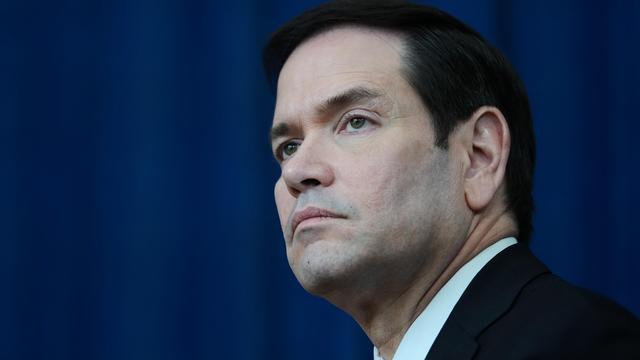
Five years after significant anti-government protests in Cuba, the United States is intensifying its pressure on the island nation. U.S. Secretary of State Marco Rubio has called for reforms, stating that action is needed "before it is too late." This renewed diplomatic push signals a continued U.S. stance on advocating for political and economic changes within Cuba. The specific nature of the reforms sought by the U.S. has not been detailed, but the emphasis is on a shift in the current policies. The timing of this statement, coinciding with the anniversary of past protests, suggests a strategic effort to leverage historical events to influence present-day Cuban governance. Secretary Rubio's remarks indicate a desire for a more substantial engagement with Cuba that is conditional on demonstrable policy changes.
The U.S. strategy of applying external pressure for internal policy reform in Cuba, as articulated by Secretary Rubio, reflects a long-standing diplomatic approach. This method often faces challenges related to national sovereignty and the effectiveness of externally imposed conditions on domestic political evolution. The effectiveness of such demands hinges on Cuba's perceived vulnerability and the broader geopolitical context. Future Cuban policy may be shaped by balancing internal stability, economic realities, and external relations, with the U.S. exerting influence through diplomatic channels and potential economic levers. The success of this approach will likely depend on the interplay between domestic Cuban dynamics and international relations over the coming decade.
AI-generated to prompt reflection — not editorial opinion, not advice, not a statement of fact. How this works.