US Seeks to Dismantle ICC; EU Condemns Threats, Chile Silent
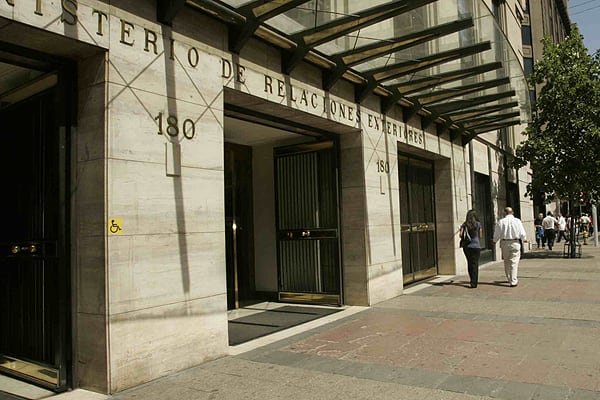
The United States has initiated a campaign to dismantle the International Criminal Court (ICC), escalating sanctions against its officials and judges, and urging allied nations to withdraw from the treaty establishing the court. This move was announced on a Monday. The European Union swiftly responded, deeming the threats against the ICC and its personnel unacceptable. In contrast, Chile's Ministry of Foreign Affairs has remained notably silent on the matter.
Chile has historically been a supporter of the ICC, with past administrations, including those of President Boric and President Piñera, entrusting the court with investigations into situations in Afghanistan and Venezuela, respectively. This commitment to international justice and multilateralism has been a consistent feature of Chilean foreign policy. The author expresses hope that Chile will not deviate from this stance and will promptly and robustly reaffirm its support for the ICC during this period of unprecedented vulnerability.
The United States' stated objective to "dismantle" the International Criminal Court, accompanied by intensified sanctions and calls for allied withdrawal, represents a significant challenge to the international legal order. This action appears to stem from a divergence in perspectives regarding national sovereignty and the extraterritorial application of international justice mechanisms. The European Union's firm condemnation highlights a competing vision of global governance, emphasizing multilateralism and accountability. Chile's silence, juxtaposed with its historical support for the ICC, suggests a potential internal policy debate or a strategic calculation regarding its alignment with either the US or the EU. This situation underscores a broader tension between state-centric power dynamics and the evolving architecture of international law, particularly as it pertains to accountability for alleged international crimes. The long-term implications for the ICC's effectiveness and legitimacy, especially in the context of ongoing geopolitical realignments, warrant careful observation over the next decade.
AI-generated to prompt reflection — not editorial opinion, not advice, not a statement of fact. How this works.