US Seeks to Undermine International Criminal Court, Sparking Global Concern
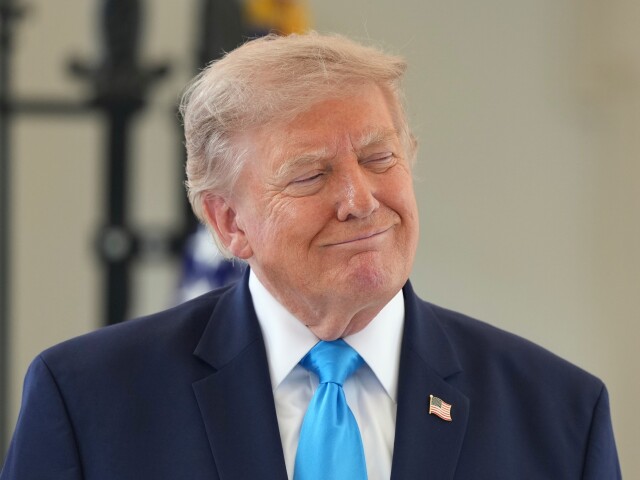
The United States is reportedly making efforts to weaken or even dismantle the International Criminal Court (ICC) located in The Hague. The Trump administration has explicitly stated its intention to dismantle the court brick by brick. This move by the US raises questions about the future of international justice and whether the ICC can survive such opposition. The article also touches upon the case of Karim Khan, the former chief prosecutor of the institution, who resigned amid allegations of sexual harassment. The connection, or lack thereof, between Khan's departure and the US's broader stance on the ICC is explored. The potential implications for global legal frameworks and accountability are significant, as the ICC plays a crucial role in prosecuting individuals for war crimes, genocide, and crimes against humanity when national courts are unable or unwilling to do so. The US's actions could set a precedent for other nations and impact the court's ability to function effectively.
The United States' stated intention to undermine the International Criminal Court presents a significant challenge to the existing international legal order. This action appears to stem from a perceived conflict between national sovereignty and the ICC's mandate to prosecute individuals regardless of their official capacity. From a geopolitical perspective, such a stance could embolden other nations that are either not signatories to the Rome Statute or are critical of the court's jurisdiction. The long-term implications involve a potential fragmentation of international justice mechanisms, making it more difficult to hold perpetrators of mass atrocities accountable. This could foster an environment where impunity is more likely, particularly in regions with weak governance or ongoing conflicts. The future effectiveness of the ICC will likely depend on its ability to navigate these political pressures while maintaining its commitment to impartial justice.
AI-generated to prompt reflection — not editorial opinion, not advice, not a statement of fact. How this works.