US Senate Democrats Concerned Over Tariffs in Russia Sanctions Bill
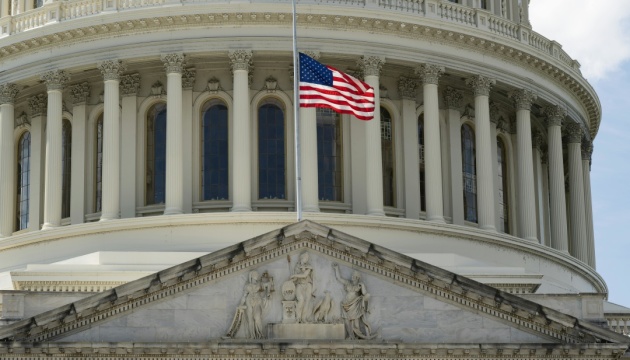
US Senate Democrats have expressed concerns regarding potential tariffs included in a bill aimed at imposing sanctions on Russia. These lawmakers fear that the tariffs could grant President Donald Trump expanded authority to implement trade measures against allies such as India, Japan, and several European Union member states. The inclusion of these tariff provisions has sparked debate among legislators about the scope of presidential power in trade policy. The core of the concern lies in the potential for these measures, originally intended for Russia, to be redirected against other nations. This development highlights ongoing tensions within the US government regarding trade policy and the executive branch's authority. The specific wording of the bill and its implications for international trade relations are under close scrutiny. Democrats are advocating for a more targeted approach to sanctions that does not inadvertently harm allied economies. The situation underscores the complex interplay between foreign policy objectives and domestic legislative processes.
The legislative proposal to include tariffs within a sanctions bill against Russia presents a complex policy dilemma. While intended to exert pressure on Russia, the mechanism could inadvertently empower the executive branch to impose trade restrictions on allied nations. This raises questions about the intended scope and potential unintended consequences of such legislation. From a governance perspective, it highlights the challenge of crafting narrowly tailored foreign policy tools that do not create broad, discretionary powers susceptible to application beyond initial geopolitical aims. The dynamic suggests a tension between leveraging economic statecraft for specific foreign policy goals and the risk of weaponizing trade policy in ways that could destabilize relationships with key international partners. Future legislative efforts may need to focus on more precise mechanisms to avoid such broad-reaching executive discretion.
AI-generated to prompt reflection — not editorial opinion, not advice, not a statement of fact. How this works.