US Senate Poised to Pass Graham Sanctions Bill Against Russia This Week
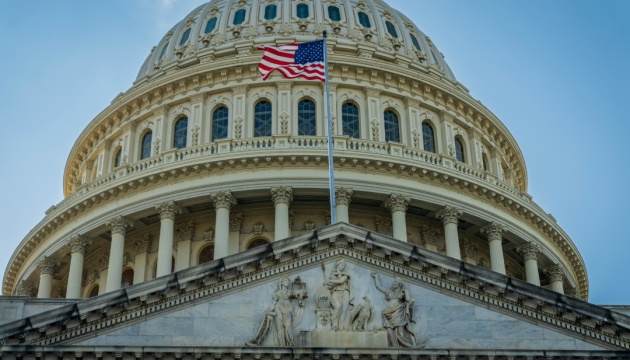
The US Senate is expected to give final approval this week to a bipartisan bill imposing sanctions on Russia and Iran. The legislation, which has been named in honor of the late Republican Senator Lindsey Graham, aims to target the Russian and Iranian regimes. This move signifies a continued bipartisan commitment in the US Congress to holding these nations accountable through economic measures. The bill's passage would represent a significant step in the US's foreign policy strategy regarding Russia and Iran. It underscores the legislative branch's intent to utilize sanctions as a tool for diplomatic and security objectives. The timing of the vote this week suggests a concerted effort to finalize the legislation. The inclusion of both Russia and Iran in the sanctions package indicates a broad approach to addressing perceived threats from both countries. The bill's naming after Senator Graham highlights his advocacy and contribution to this legislative effort. Final approval by the Senate would pave the way for its implementation, potentially impacting international relations and economic activities involving the targeted nations.
The potential passage of the Graham sanctions bill reflects a sustained legislative effort in the United States to employ economic pressure against Russia and Iran. This bipartisan initiative underscores a strategic imperative to influence the behavior of these nations through punitive financial measures. From a systemic perspective, such legislation aims to alter incentive structures by increasing the economic costs associated with specific foreign policy actions. The effectiveness of these sanctions will likely depend on their scope, enforcement mechanisms, and coordination with international allies, particularly in the context of evolving geopolitical dynamics. Looking ahead, the long-term impact will be shaped by how these measures interact with global market forces and technological advancements, potentially creating new vulnerabilities or opportunities for the targeted states and the international community.
AI-generated to prompt reflection — not editorial opinion, not advice, not a statement of fact. How this works.