US Senator Marco Rubio Hopes Venezuela's Political Transition Takes Months, Not Years
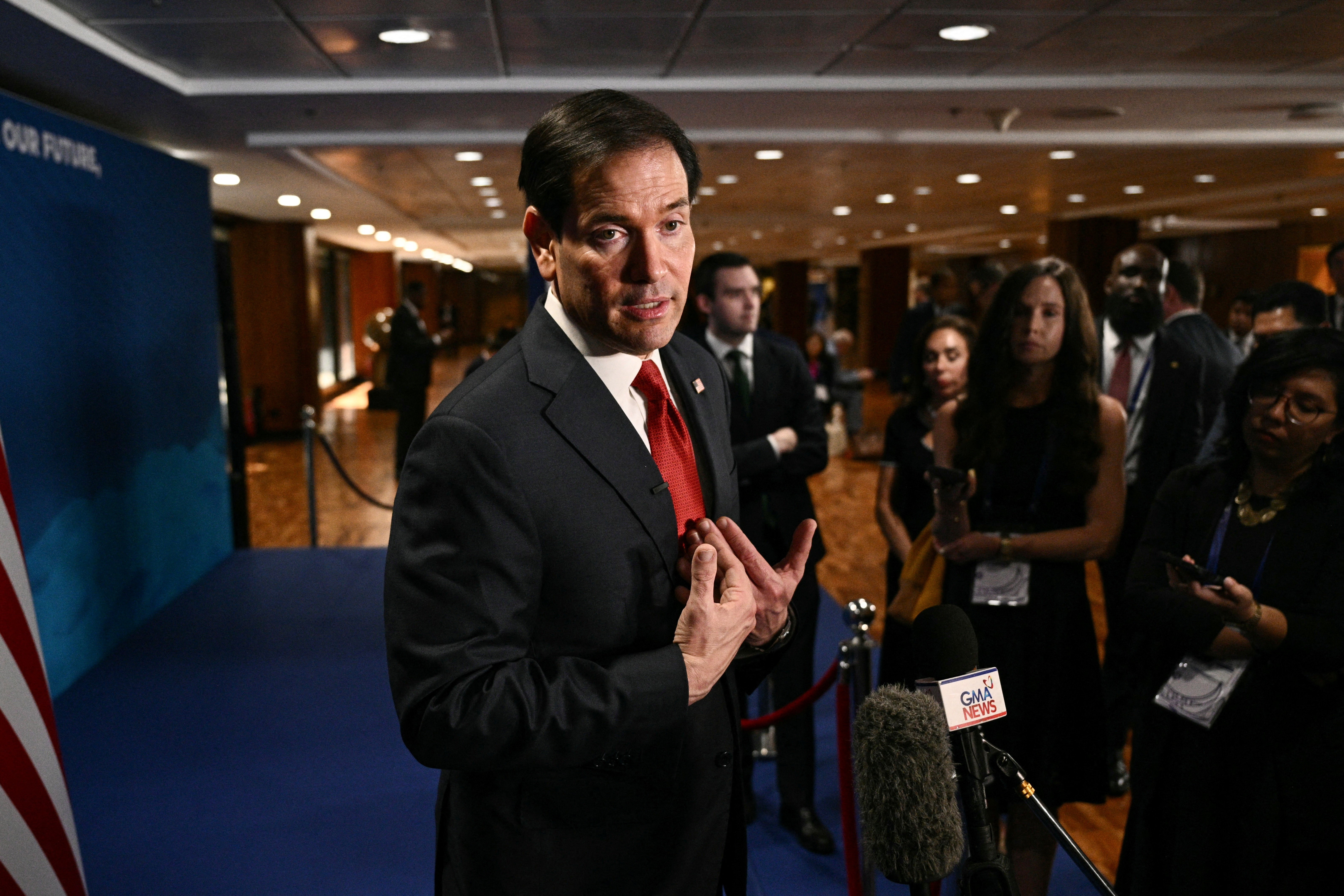
U.S. Secretary of State Marco Rubio stated on Tuesday, April 4th, that he anticipates the political transition in Venezuela will occur within "months and weeks," rather than spanning years. This declaration preceded a new round of negotiations between representatives of the Venezuelan government and the opposition. The timing of this meeting, scheduled to take place in Caracas, has not yet been disclosed. Rubio, who has been a key figure in the Trump administration's Venezuela policy since the removal of Nicolás Maduro seven months prior, expressed his belief that the process will require persistence and patience. His advocacy for engagement with Caracas is partly driven by Venezuela's significance in the global oil market, a factor that has gained further importance for the White House amid rising oil prices due to the conflict with Iran. The opposition and human rights organizations are urging for a swifter pace in political negotiations, a sentiment echoed by both Democratic and Republican members of the U.S. Congress. Rubio previously outlined a three-stage process for Venezuela post-Maduro: economic stabilization, political reorganization, and a full transition to elections. He aims to improve the daily lives and prosperity of Venezuelans, believing this will facilitate the political transition. Comparing Venezuela's situation to past democratic transitions, such as those in Eastern Europe after the fall of the Iron Curtain or Paraguay's multi-year shift from authoritarianism, Rubio acknowledged the inherent difficulties in such processes.
Senator Rubio's remarks highlight the U.S. government's strategic interest in a swift political resolution in Venezuela, primarily driven by energy market stability and geopolitical considerations related to oil prices. The framing of the transition timeline as "months and weeks" suggests an external pressure for rapid change, potentially overlooking the complex internal dynamics and societal readiness required for sustainable democratic governance. While advocating for economic stabilization and political reorganization, the analysis of past transitions, like those in Eastern Europe, indicates that such processes are protracted and multifaceted. The emphasis on external timelines may create unrealistic expectations and could inadvertently destabilize ongoing negotiations if perceived as an ultimatum rather than a hopeful projection. Future policy considerations should balance the urgency of geopolitical objectives with the imperative of fostering organic, internally-driven democratic development to ensure long-term stability and legitimacy.
AI-generated to prompt reflection — not editorial opinion, not advice, not a statement of fact. How this works.
