US Senator Rubio Accuses Brazil's Lula of Prioritizing Ego Over Trade Deal
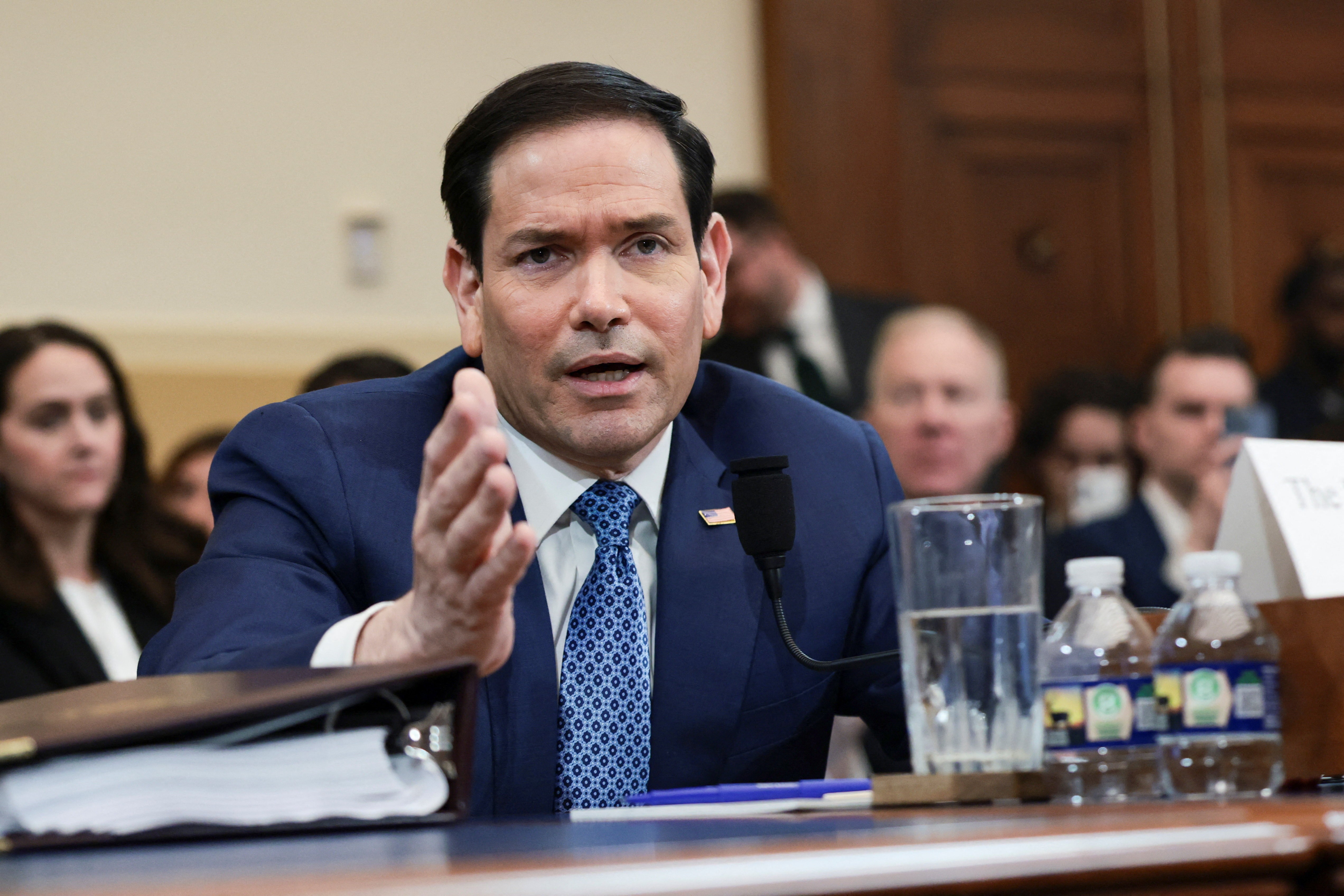
U.S. Senator Marco Rubio has accused Brazilian President Lula da Silva of prioritizing his ego over a potential trade agreement, stating that Lula's government did not negotiate in good faith with the United States. Rubio asserted that Lula's economic policies are detrimental to both Americans and Brazilians, and that the tariffs imposed are a consequence of this stance. However, this political motivation cited by Rubio contrasts with statements from the U.S. Trade Representative's Office (USTR). A USTR official indicated that the decision to implement a 25% tariff on certain Brazilian products, effective July 22, was not politically driven. The official clarified that the USTR maintains cordial discussions with their Brazilian counterparts and remains open to dialogue. While acknowledging that retaliation could lead to further U.S. measures, the official expressed no expectation of such a response from Brazil. The USTR investigation focused on policies related to intellectual property, anti-corruption laws, deforestation, and ethanol, rather than the bilateral trade surplus. The official suggested that resolving these issues could potentially lead to a larger trade surplus for the U.S. with Brazil.
This situation highlights a divergence in stated motivations for U.S. trade policy towards Brazil. While a U.S. Senator attributes the tariffs to political posturing by the Brazilian president, the official USTR representative frames the action as a response to specific policy and practice concerns, independent of political considerations. This suggests a potential internal U.S. policy debate or a strategic communication approach to manage international relations. The emphasis on non-tariff issues like intellectual property and environmental standards indicates a broader trend in global trade negotiations, where non-economic factors are increasingly integrated into bilateral agreements. The USTR's openness to dialogue and potential modification of actions in response to Brazilian actions suggests a pragmatic approach, aiming to resolve disputes through negotiation rather than escalating conflict, while also signaling potential consequences for non-compliance.
AI-generated to prompt reflection — not editorial opinion, not advice, not a statement of fact. How this works.