US Senator Rubio: Iran Using Strait of Hormuz as Leverage
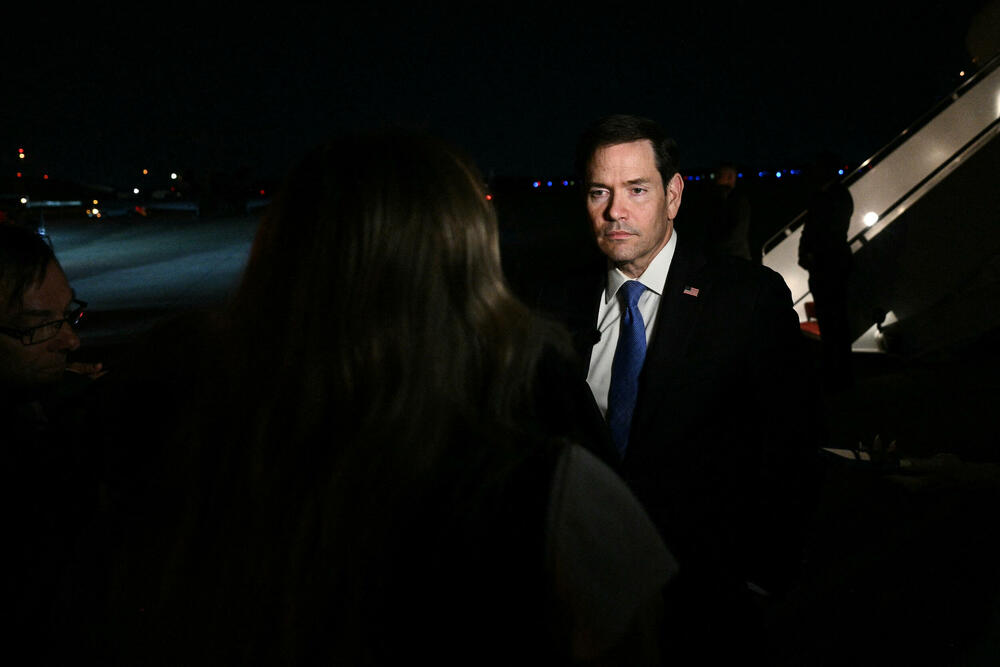
U.S. Senator Marco Rubio stated that Iran is attempting to utilize the Strait of Hormuz as a leverage point. He emphasized that the United States will continue to take all necessary actions to safeguard international shipping. However, Rubio also stressed the importance of other nations stepping up and contributing to this shared responsibility. He believes that the burden of protecting global maritime traffic should not fall solely on the U.S. The senator's remarks highlight concerns over regional stability and the free flow of commerce through this critical waterway. The Strait of Hormuz is a vital chokepoint for global oil supplies, making any disruption a significant economic concern. The U.S. has historically played a leading role in ensuring security in this region, but Rubio's comments suggest a desire for a more collaborative international approach.
This situation highlights the ongoing geopolitical tensions surrounding critical maritime chokepoints and the distribution of security responsibilities among nations. The strategic importance of the Strait of Hormuz necessitates a robust international framework for maritime security, as unilateral efforts can be costly and politically unsustainable. The U.S. approach, as articulated by Senator Rubio, suggests a potential recalibration of burden-sharing, encouraging greater participation from regional and global partners. This shift could be driven by evolving economic priorities, the desire to foster greater international cooperation, or a strategic assessment of future security challenges. The long-term stability of global trade routes hinges on effective multilateral engagement and adherence to international maritime law, ensuring that critical waterways remain open and secure for all.
AI-generated to prompt reflection — not editorial opinion, not advice, not a statement of fact. How this works.