US Senator Rubio Warns of Global Catastrophe in US-China Conflict
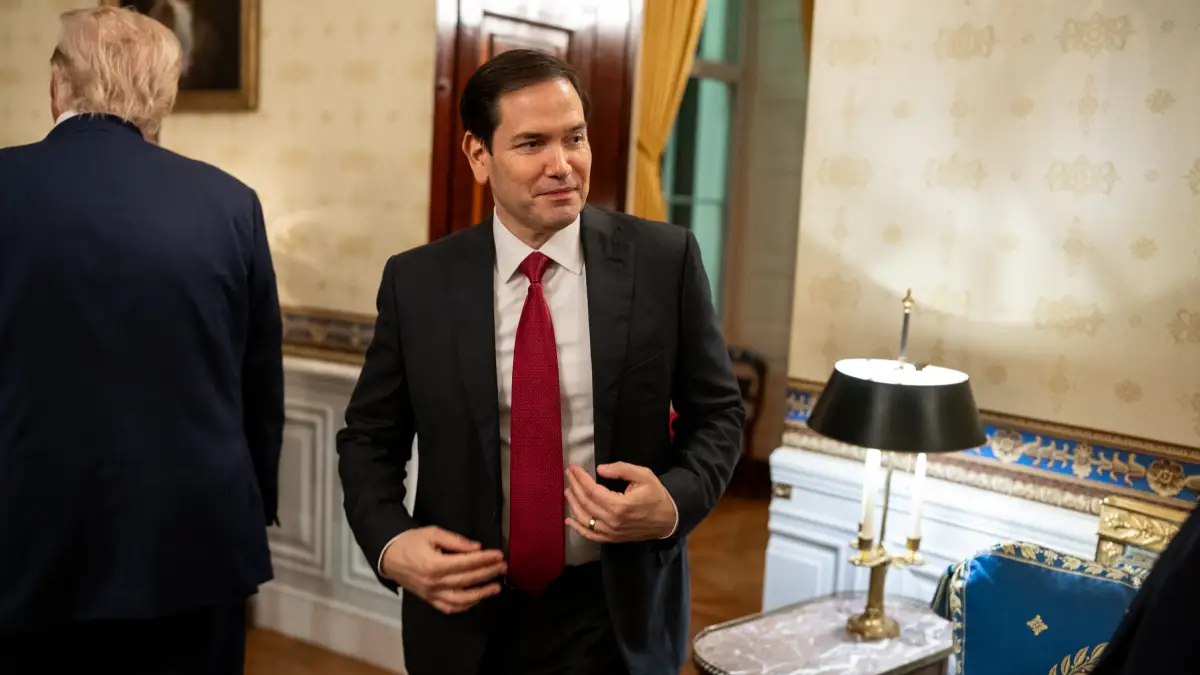
U.S. Secretary of State Marco Rubio stated on August 1st that an armed conflict between Washington and Beijing would result in disastrous global consequences. Speaking during an interview with Fox News, Rubio emphasized the catastrophic planetary impact such a confrontation would entail. The warning highlights the severe geopolitical and economic ramifications that a military clash between the two world powers could unleash. Rubio's remarks underscore the interconnectedness of the global economy and the potential for widespread disruption. The interview, aired on Fox News, focused on the potential fallout of escalating tensions between the United States and China. This statement serves as a stark reminder of the delicate balance of international relations and the profound implications of superpower conflict. The potential for devastation extends beyond the immediate belligerents, affecting nations and economies worldwide. Rubio's assessment points to a future where such a conflict would be detrimental to global stability and prosperity.
Senator Rubio's warning about a US-China conflict highlights the profound systemic risks inherent in great power competition. The interconnectedness of global supply chains, financial markets, and technological infrastructure means that a direct military confrontation would likely trigger widespread economic collapse and humanitarian crises, far exceeding the scope of localized warfare. This scenario forces a consideration of the incentives driving escalating tensions, including national security imperatives, economic competition, and ideological differences. The potential for catastrophic outcomes necessitates a strategic focus on de-escalation mechanisms, robust diplomatic channels, and the establishment of clear communication protocols to manage crises and prevent miscalculation. Examining this through a ten-year lens, the increasing reliance on AI and advanced technologies in military applications could amplify the speed and destructive potential of any conflict, making proactive conflict prevention more critical than ever.
AI-generated to prompt reflection — not editorial opinion, not advice, not a statement of fact. How this works.