US Senators Continue Talks with SEC and Big Ten on College Sports Bill
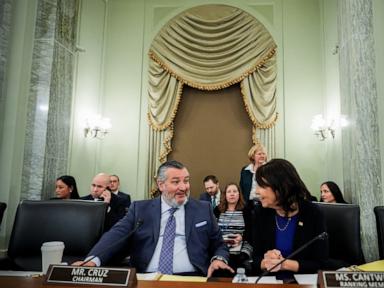
US Senators are actively engaged in discussions with leadership from the Southeastern Conference (SEC) and the Big Ten Conference to address outstanding issues concerning proposed legislation for college sports regulation. The goal is to reach an agreement on revisions to the bill, allowing for a vote before the Senate adjourns for its summer recess. The specific details of the "thorny differences" remain undisclosed, but the ongoing negotiations indicate a complex process involving significant stakeholders in collegiate athletics. The bill aims to establish a framework for governing college sports, likely touching upon areas such as athlete compensation, name, image, and likeness (NIL) rights, and potentially the structure of collegiate athletic organizations. The involvement of the SEC and Big Ten, two of the most prominent athletic conferences, highlights the substantial impact this legislation could have on the future of college sports across the nation. The urgency to secure a vote before the summer break suggests a desire to maintain legislative momentum on this critical issue.
The ongoing legislative efforts to regulate college sports reflect a broader societal reckoning with the financial and structural complexities of amateur athletics. As student-athletes gain more leverage through NIL opportunities and potential unionization, traditional governance models face pressure to adapt. The Senate's engagement with major conferences like the SEC and Big Ten underscores the significant financial stakes and the need for a balanced approach that considers athletes' rights, educational missions, and the economic viability of collegiate sports programs. Future legislation will likely need to navigate the tension between preserving the traditional collegiate model and addressing the evolving demands for athlete welfare and fair compensation, potentially leading to a hybrid system that acknowledges the commercial realities of modern college sports.
AI-generated to prompt reflection — not editorial opinion, not advice, not a statement of fact. How this works.