US Senators Divided on Scope of Proposed Ban on Chinese Connected Vehicles
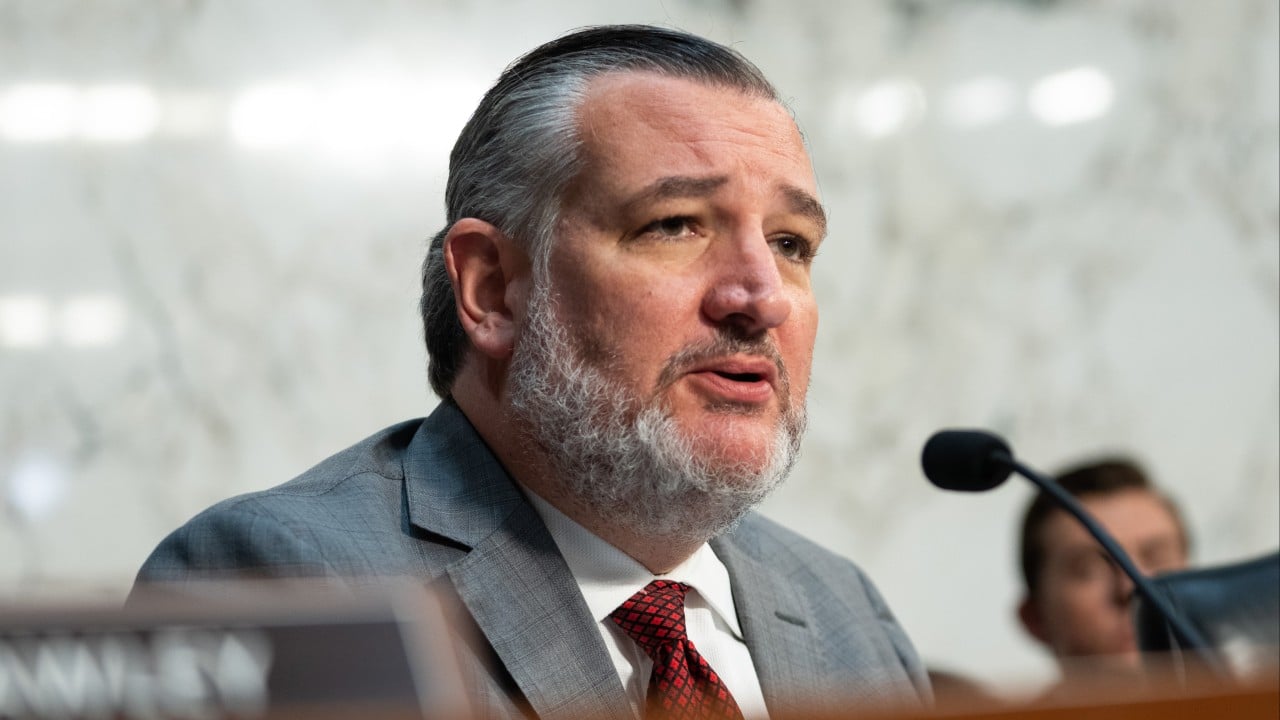
US senators largely concur on the need to prevent Chinese connected vehicles from entering the American market. However, a bipartisan effort to formalize and broaden existing restrictions has revealed disagreements regarding the potential impact on European automakers and the cost implications for domestic electric vehicle manufacturers. The Senate Committee on Commerce, Science, and Transportation has moved forward with the Connected Vehicle Security Act of 2026. This proposed legislation aims to outlaw the import, production, and sale of connected vehicles manufactured by entities linked to China. The core concern is the potential for these vehicles to pose national security risks, particularly regarding data privacy and cybersecurity. While the intent is to safeguard American infrastructure and consumer data, the broad language of the bill has raised questions about its unintended consequences. Critics worry that the ban could inadvertently affect non-Chinese companies that utilize Chinese technology or supply chains. Furthermore, there are concerns that the legislation might increase manufacturing costs for American EV companies, potentially hindering the transition to cleaner transportation. The debate highlights the complex balancing act between national security imperatives and the economic realities of the global automotive industry.
The proposed legislation reflects a growing trend of national security considerations influencing trade policy, particularly concerning technology originating from geopolitical rivals. While the objective of protecting sensitive data and critical infrastructure is understandable, the broad scope of such bans can create significant economic friction. Policymakers face the challenge of designing regulations that effectively mitigate identified risks without imposing undue burdens on domestic industries or international trade partners. The potential for unintended consequences, such as impacting European automakers or increasing costs for American EV producers, underscores the need for precise legislative language and thorough economic impact assessments. Future legislation in this domain will likely grapple with defining 'Chinese connected vehicles' and assessing the integration of foreign technology within global supply chains, balancing security imperatives with market dynamics and the acceleration of the electric vehicle transition.
AI-generated to prompt reflection — not editorial opinion, not advice, not a statement of fact. How this works.