US Senators Propose New Russia Sanctions and Tariffs Bill
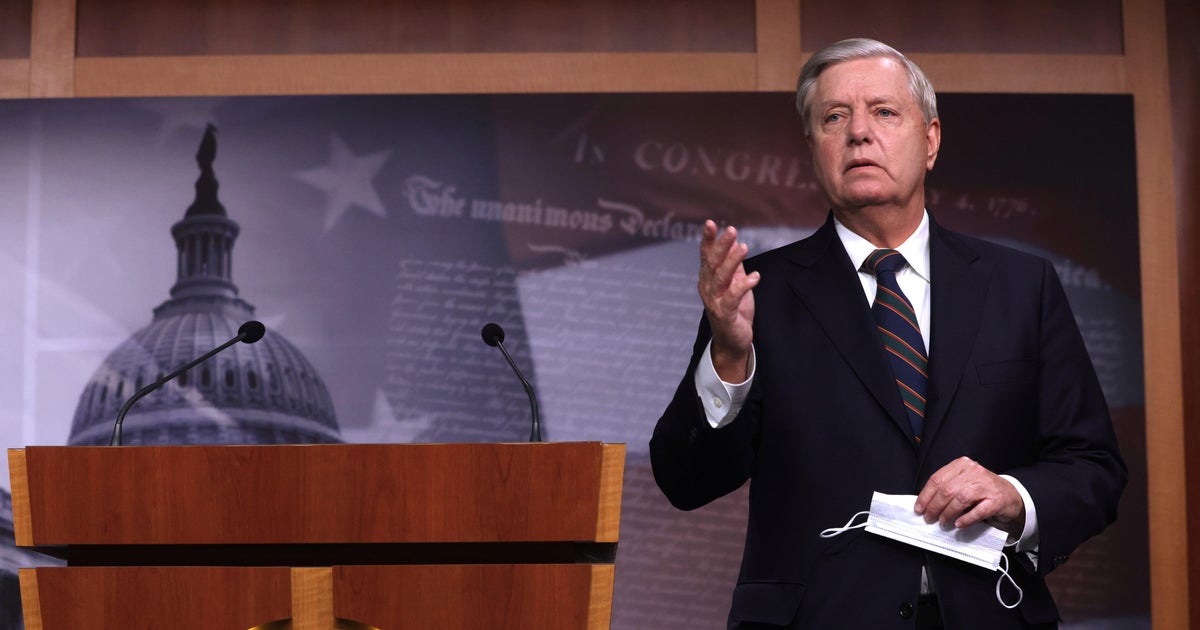
A bipartisan group of U.S. senators has introduced a new bill aimed at imposing sanctions and tariffs on Russia. The legislation's text was reportedly finalized prior to Senator Lindsey Graham's recent meeting with Ukrainian President Volodymyr Zelenskyy in Kyiv last week. Graham has been a vocal proponent of the bill. The specific details of the sanctions and tariffs, as well as the full list of sponsoring senators, were not immediately available in the provided text. This legislative effort underscores ongoing bipartisan support in the U.S. Congress for measures to pressure Russia, likely in response to its actions concerning Ukraine. The introduction of the bill signals a continued focus on leveraging economic tools as part of U.S. foreign policy towards Russia. Further legislative action and potential debate are expected as the bill moves through the congressional process. The timing of its introduction, shortly after a high-profile visit to Kyiv, may suggest a coordinated approach to international relations and security.
The introduction of this bipartisan bill reflects a strategic alignment between legislative bodies and executive foreign policy objectives concerning Russia. By proposing new sanctions and tariffs, the senators are leveraging economic statecraft to influence geopolitical outcomes, potentially aiming to deter further aggression or compel policy changes. This action highlights the enduring role of economic pressure as a tool in international relations, particularly in contexts of ongoing conflict and geopolitical tension. The timing, following a meeting with Ukrainian leadership, suggests a deliberate effort to signal solidarity and reinforce diplomatic and military support. Future legislative debates will likely explore the economic impacts and effectiveness of such measures, considering both domestic implications and international market dynamics, while navigating the complex interplay between national security interests and global economic stability.
AI-generated to prompt reflection — not editorial opinion, not advice, not a statement of fact. How this works.