US Sends First Humanitarian Aid Flight to Cuba, Part of $100 Million Pledge
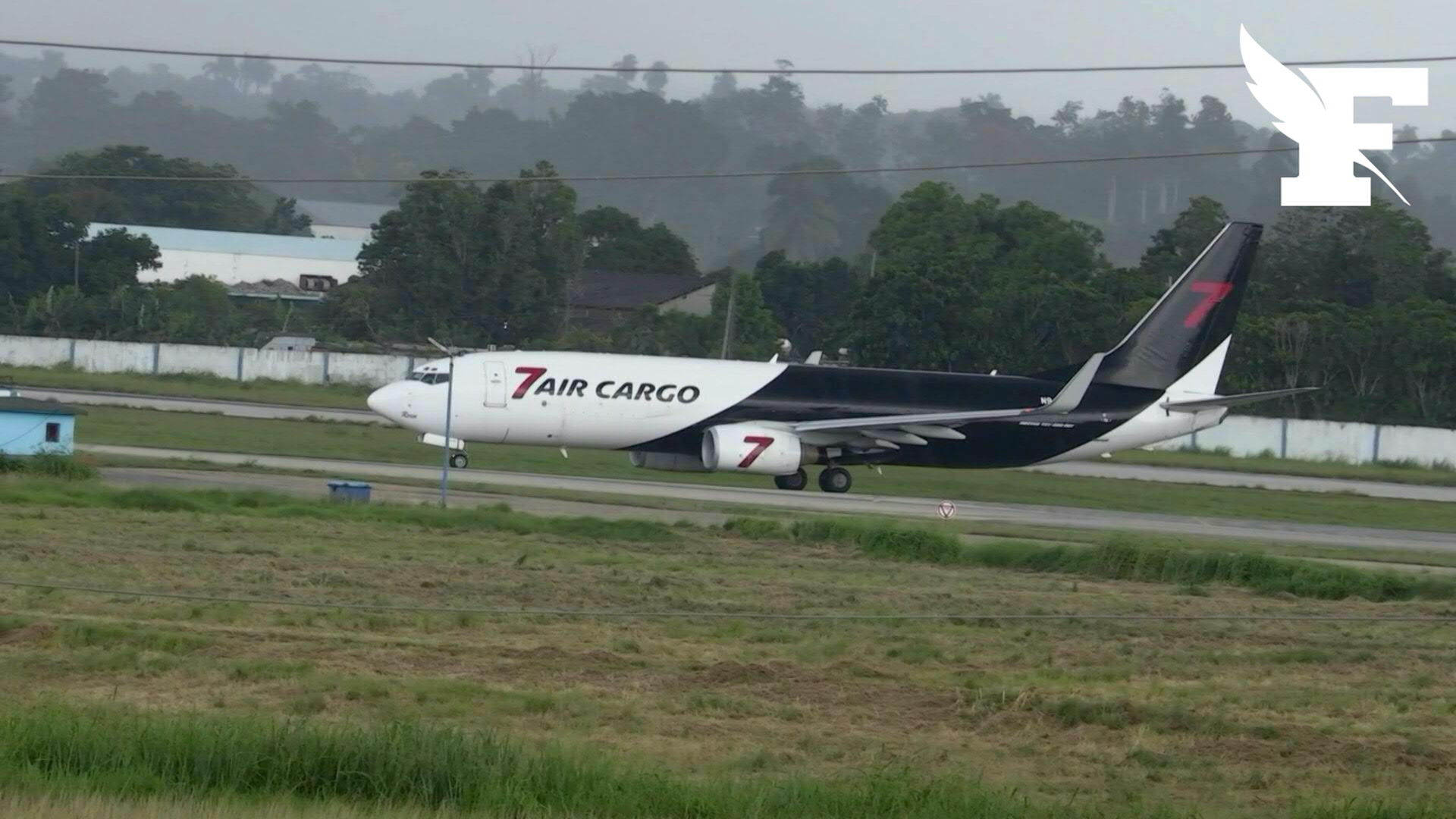
The United States has initiated its substantial aid program for Cuba with the dispatch of its first humanitarian relief flight. This aircraft, carrying essential supplies, marks the beginning of Washington's commitment to provide $100 million in assistance to the island nation. The move signifies a concrete step in fulfilling the broader aid package promised by the U.S. government. This initial delivery is expected to be followed by further shipments as part of the comprehensive assistance plan. The program aims to address various needs within Cuba through this significant financial and material support. Details regarding the specific types of aid or the distribution mechanism were not provided in the initial report. The U.S. government has stated its intention to support the Cuban people through this initiative. This action represents a tangible implementation of the previously announced financial pledge.
This U.S. initiative to provide humanitarian aid to Cuba, amounting to $100 million, represents a diplomatic gesture that could influence bilateral relations. The delivery of the first aid flight signals a commitment to practical support, potentially aimed at fostering goodwill or addressing specific needs on the island. From a geopolitical perspective, such aid can be viewed through the lens of soft power, offering a potential avenue for engagement independent of broader political disagreements. The long-term impact will likely depend on the consistency of U.S. policy, the effectiveness of aid distribution within Cuba, and the reciprocal responses from the Cuban government. Future analyses should consider the systemic implications for regional stability and the potential for this aid to influence economic or social conditions within Cuba over the next decade.
AI-generated to prompt reflection — not editorial opinion, not advice, not a statement of fact. How this works.