US Small City Leverages World Cup for Economic Revival, Offering a New Model
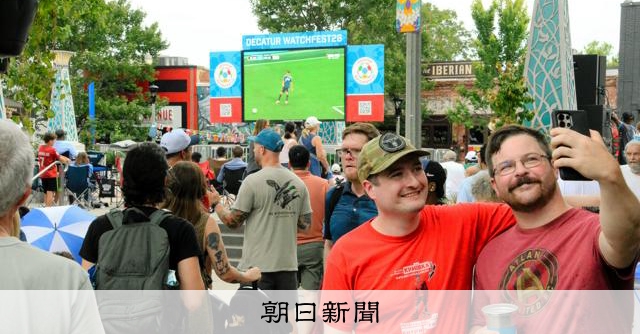
A small city in the United States has demonstrated a novel approach to economic revitalization by capitalizing on the momentum of the World Cup. This strategy involved leveraging the global sporting event to stimulate local economic activity and foster growth. The initiative showcases a potential new model for other smaller municipalities looking to enhance their economic standing.
The city's success suggests that even without hosting major events directly, smaller urban centers can strategically align themselves with large-scale international happenings. This approach focuses on attracting visitors, encouraging local spending, and potentially creating new business opportunities related to the event's global appeal. The World Cup, in this instance, served as a catalyst for broader economic development, moving beyond mere tourism to create lasting impacts.
This case study highlights how sub-national entities can strategically harness the global visibility of major international events, such as the World Cup, to achieve localized economic benefits. The model suggests a shift from direct hosting requirements to indirect economic engagement, potentially democratizing the economic uplift associated with such tournaments. Future considerations may involve assessing the long-term sustainability of this approach, the equitable distribution of economic gains within the community, and the potential for replication in diverse urban contexts facing similar economic challenges. The analysis prompts reflection on how globalized events can be intentionally leveraged for grassroots economic development, moving beyond traditional models of direct participation or infrastructure investment.
AI-generated to prompt reflection — not editorial opinion, not advice, not a statement of fact. How this works.