US Soccer's World Cup Success: More Than Just National Spirit
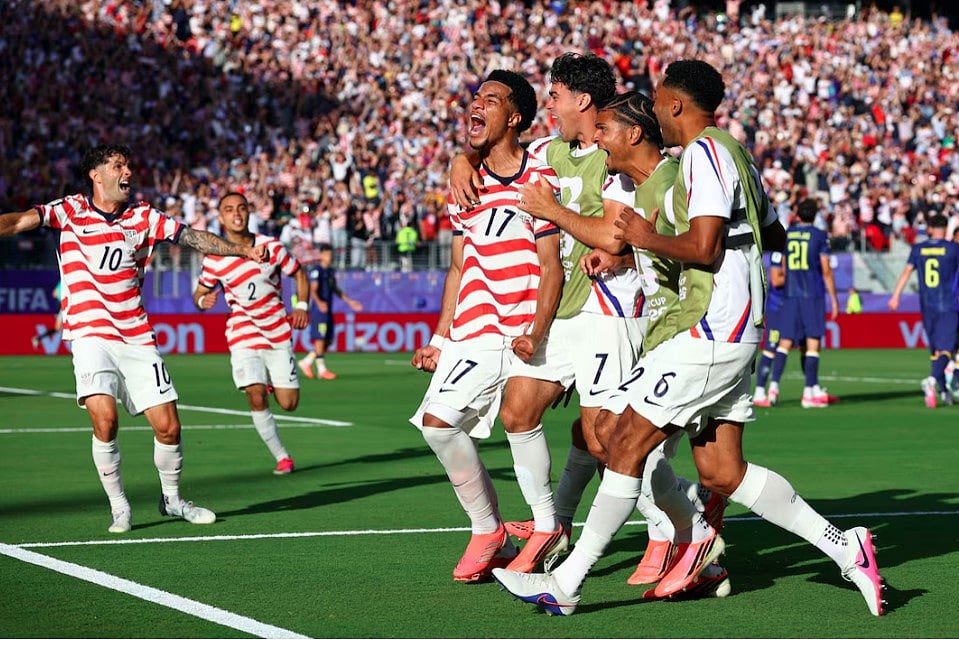
The US men's national soccer team's recent strong performance in the World Cup, following victories against Paraguay and Australia, has captured the attention of a previously indifferent American audience. This success has led some to label the team a 'golden generation,' with players like Weston McKennie, Tyler Adams, and Christian Pulisic embodying a new wave of talent nurtured by local youth programs. However, the narrative attributing this success solely to inherent American spirit is a partial truth. While the current squad is undeniably talented and performing significantly better than in previous tournaments, viewing their achievements through a purely nationalistic lens overlooks the team's diverse, international makeup.
The analysis of the US men's national soccer team's performance highlights a modern trend in global sports where national identity is increasingly intertwined with international talent and coaching. The team's success, attributed to a blend of immigrant backgrounds, players developed abroad, and foreign coaching, challenges traditional notions of national character dictating sporting prowess. This approach suggests that team cohesion and success are not solely derived from shared heritage but can be forged through a constructed team identity, rigorous conditioning, and adaptive coaching strategies. This model, mirrored by other successful international teams like France and Morocco, indicates a broader shift in football where embracing diversity and external expertise can be a significant competitive advantage, rather than a dilution of national spirit. The home-field advantage, amplified by passionate fan support, further bolsters this dynamic, demonstrating how a unified, externally influenced team can leverage domestic enthusiasm for peak performance.
AI-generated to prompt reflection — not editorial opinion, not advice, not a statement of fact. How this works.