US Space Launch Rule Changes Could Impact Environmental Oversight
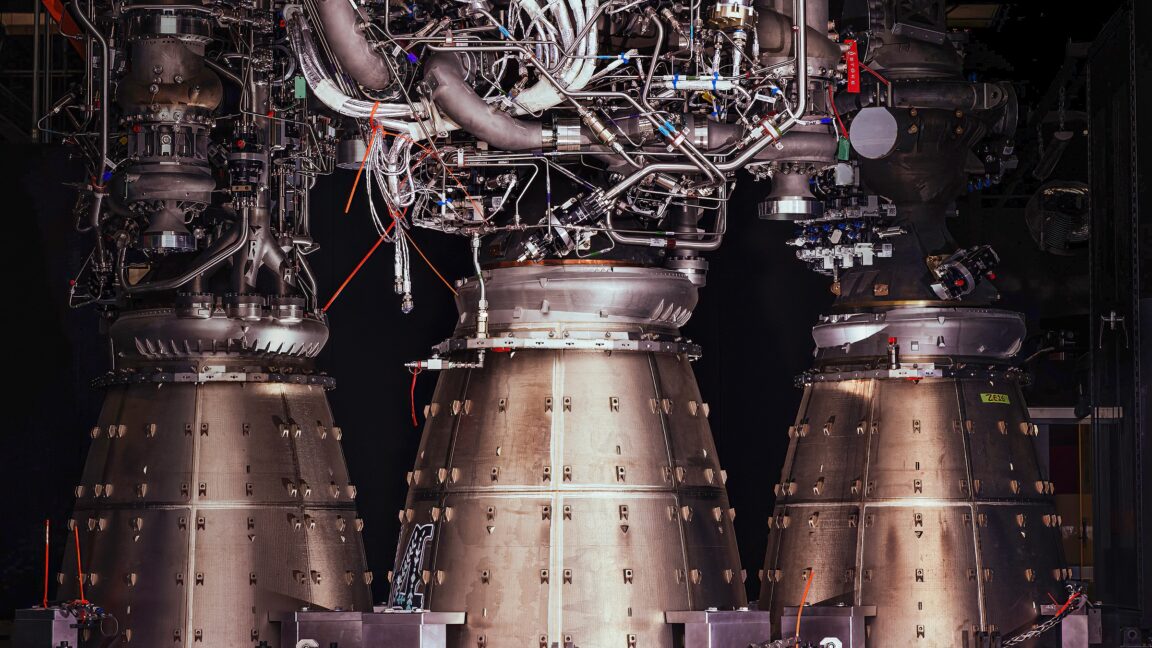
The United States is aiming to reclaim leadership in the space race, with a new launch rule potentially altering environmental regulations. This development comes as SpaceX's Falcon 9 rocket is slated to impact the Moon. The article highlights a sentiment of renewed ambition in the American space sector, drawing parallels to the historical Space Race. The specifics of the new launch rule and its precise implications for environmental oversight are central to this discussion. The planned lunar impact of the Falcon 9 adds a notable event to the ongoing narrative of space exploration and commercial spaceflight. Further details on the rule's scope and the environmental considerations it might affect are anticipated.
The proposed changes to US space launch regulations signal a potential recalibration between national ambitions for space dominance and environmental stewardship. As the commercial space sector rapidly expands, regulatory frameworks must evolve to balance innovation and safety with ecological considerations. This situation presents a classic governance challenge: how to foster technological advancement and economic growth in a nascent industry without compromising long-term environmental sustainability. Future policy decisions will likely hinge on assessing the trade-offs between expedited launch capabilities and the potential for unforeseen environmental consequences, particularly as launch frequency and complexity increase.
AI-generated to prompt reflection — not editorial opinion, not advice, not a statement of fact. How this works.