US Spends $1.4 Billion to Dismantle World's First Nuclear-Powered Aircraft Carrier
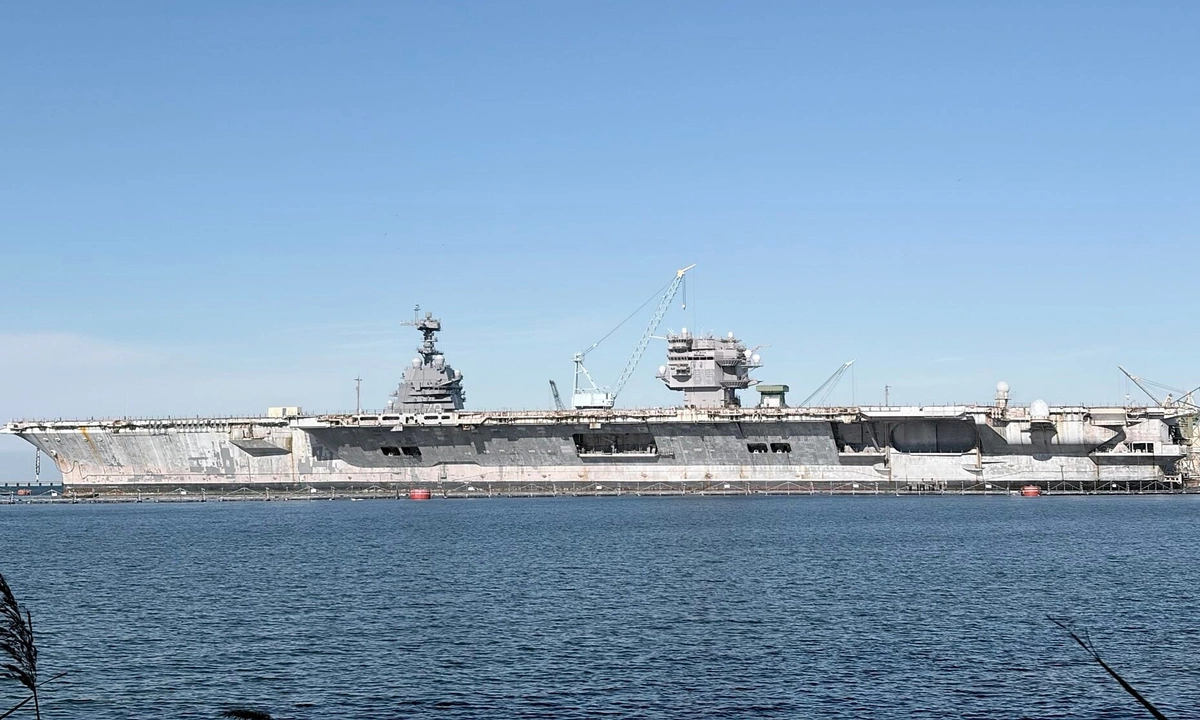
The U.S. Navy has spent approximately $1.4 billion on the dismantling process for the USS Enterprise (CVN-65), the world's first nuclear-powered aircraft carrier. The vessel was decommissioned 14 years ago, but its complex dismantling has been a lengthy and costly undertaking. The Enterprise served for over 50 years before its retirement. Its dismantling involves the safe removal and disposal of its eight nuclear reactors, a process that requires specialized expertise and facilities. This significant expenditure highlights the long-term financial commitments associated with managing nuclear-powered naval assets, even after their operational service has ended. The project underscores the challenges and costs involved in safely deconstructing large, technologically advanced military vessels.
The substantial cost of dismantling the USS Enterprise reflects the ongoing financial responsibilities inherent in managing nuclear-powered naval assets. This expenditure, spread over many years post-commissioning, raises questions about long-term lifecycle cost projections for future nuclear vessels. As naval technology advances, including the development of new carrier classes and the integration of AI, the strategic and economic implications of decommissioning complex platforms will become increasingly critical. Evaluating these end-of-life costs early in the acquisition process is essential for robust defense budgeting and sustainable fleet management in the coming decades.
AI-generated to prompt reflection — not editorial opinion, not advice, not a statement of fact. How this works.