US Stance on International Law: Shaping Future Rules
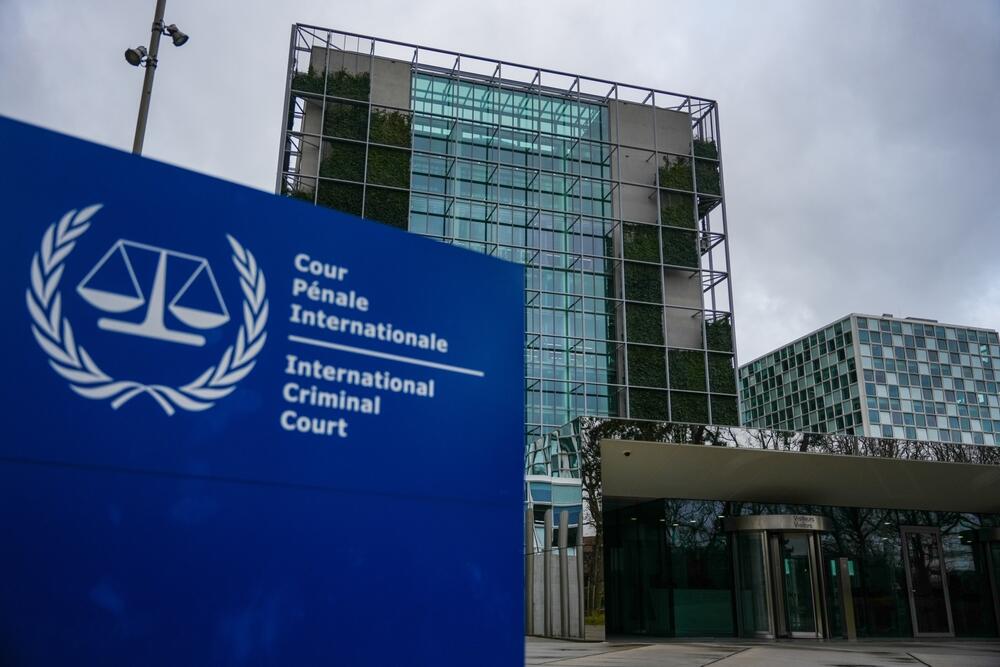
The United States' approach to the International Criminal Court (ICC) reveals a strategic positioning in the evolution of international law. By supporting the ICC's efforts to prosecute Russian President Vladimir Putin, the US signals an endorsement of accountability for alleged war crimes. However, the US simultaneously challenges the ICC's indictments against Israeli officials. This dual stance suggests that while the US upholds certain aspects of international justice, it also seeks to influence the very framework of international law. The article posits that this approach does not necessarily weaken international law but rather allows other actors to shape its future trajectory. The US appears to be navigating a complex geopolitical landscape, balancing its interests with the principles of international justice.
The United States' selective engagement with international legal bodies, such as the ICC, highlights the inherent tension between national sovereignty and global governance. By supporting prosecutions against some actors while opposing them against others, the US appears to be asserting its influence over the development and application of international law. This strategy may be driven by a desire to shape legal norms in alignment with its geopolitical interests and values, potentially leading to a fragmented or selectively enforced international legal order. Future developments will likely depend on the ability of international institutions to maintain consistent application of law, regardless of political pressure, and on the willingness of major powers to cede authority to universally accepted legal principles.
AI-generated to prompt reflection — not editorial opinion, not advice, not a statement of fact. How this works.