US State Department Blames AI for Major Map Error at AIDS Conference
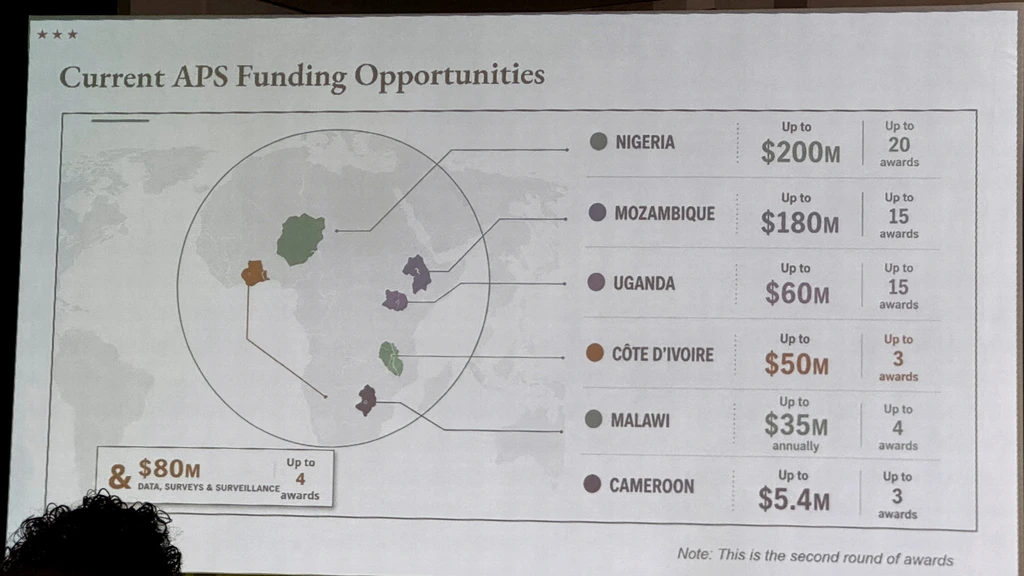
The U.S. Department of State made a significant geographical error during a presentation at the global AIDS conference in Rio de Janeiro, Brazil. A map displayed six African countries, none of which were placed correctly. Renowned AIDS expert Emily Bass highlighted the mistake in her newsletter, noting the map was shown to high-ranking health officials from African nations. For instance, Nigeria was depicted without a coastline and surrounded by the Sahara, while Mozambique was moved to the Horn of Africa. Ivory Coast was also misplaced in southern Africa, and Uganda, though roughly in the right location, was shown as significantly smaller than its actual size. Cameroon was listed in the legend but absent from the map itself. An analysis by Reuters revealed the map contained an AI watermark, suggesting it was generated using ChatGPT. OpenAI is investigating the issue. The State Department described the error as an "unfortunate mistake," attributing it to a last-minute adjustment made in haste by a team member who lacked geographical knowledge and failed to verify the content. Matt Petit, a former diplomat and AI/geopolitics expert at the Atlantic Council, criticized the lack of diligence in approving the slide. The department has accepted full responsibility for the confusion. The conference, which concluded today, focused on a severe funding crisis affecting HIV programs, exacerbated by recent U.S. government decisions to largely halt funding for HIV/AIDS efforts through USAID and Pepfar, programs crucial for many African nations. The U.S. is also reducing HIV prevention funding and plans to phase out its HIV/AIDS program in South Africa, which has the world's largest HIV population with over eight million affected individuals.
AI-generated content, particularly when used in high-stakes diplomatic or informational contexts, necessitates robust verification protocols. The State Department's error underscores the risks associated with relying on unvetted AI outputs, especially when fundamental factual accuracy is compromised. This incident highlights a critical tension between the drive for efficiency through AI tools and the imperative for human oversight to maintain accuracy and prevent reputational damage. The timing of this blunder, coinciding with a funding crisis for vital HIV/AIDS programs heavily reliant on U.S. support, raises questions about the diligence and capacity of governmental bodies to manage both technological integration and critical foreign policy initiatives effectively. Future AI integration strategies must prioritize accuracy assurance and accountability mechanisms to safeguard against such potentially damaging misrepresentations.
AI-generated to prompt reflection — not editorial opinion, not advice, not a statement of fact. How this works.