US States Sue Paramount Over Warner Bros. Discovery Merger Concerns
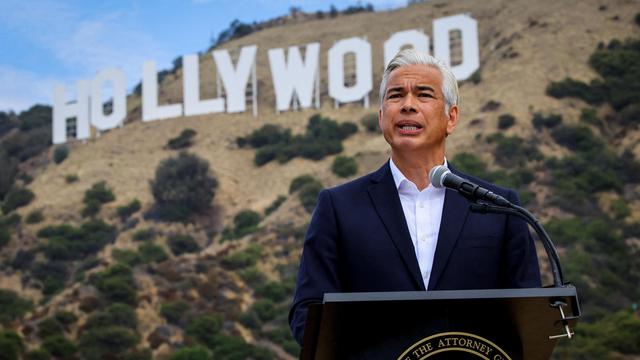
A coalition of twelve US states has filed a lawsuit against Paramount Global, alleging that its proposed acquisition of Warner Bros. Discovery would stifle free competition. The states argue that this consolidation could lead to increased prices for consumers and a reduction in the diversity and quantity of films produced. They are seeking to block the deal, citing potential negative impacts on the entertainment market and consumers. The lawsuit highlights concerns that a larger, combined entity might have undue influence over content creation and distribution. This legal challenge underscores the ongoing scrutiny of major media mergers and their potential to reshape the industry landscape. The states involved are asserting their authority to protect market fairness and consumer interests from monopolistic tendencies. The outcome of this lawsuit could have significant implications for future media consolidation efforts in the United States.
This legal action by twelve US states against Paramount's potential acquisition of Warner Bros. Discovery raises significant questions about market concentration in the media industry. The states' concerns about reduced competition, higher prices, and fewer film choices reflect a common regulatory apprehension regarding large-scale mergers. Such consolidation can indeed alter market dynamics by reducing the number of independent players, potentially leading to less innovation and fewer consumer options. The analysis should consider the long-term implications for content diversity and the economic pressures on smaller studios. Furthermore, the case highlights the evolving role of state attorneys general in antitrust enforcement, particularly in sectors undergoing rapid technological change and consolidation, prompting a review of existing competition frameworks in the digital age.
AI-generated to prompt reflection — not editorial opinion, not advice, not a statement of fact. How this works.