US States Sue to Block Trump's Latest Tariffs, Citing Exceeded Authority
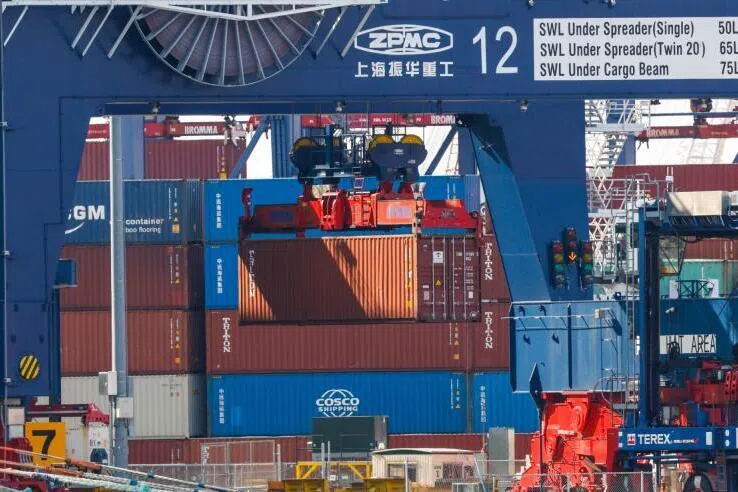
Several Democratic-led states have filed a lawsuit challenging President Trump's most recent tariffs on imported goods. The states contend that these tariffs, similar to previous ones implemented by the administration, surpass the president's legal authority to impose such taxes on imports. This legal action signifies a significant confrontation between state governments and the federal executive over trade policy and executive power. The core of the argument rests on the interpretation of the president's statutory powers regarding international trade and tariffs. The plaintiffs aim to halt the implementation and enforcement of these new tariffs, asserting they are unlawful. This lawsuit is part of a broader pattern of legal challenges from states opposing various Trump administration policies. The outcome could set a precedent for executive authority in future trade disputes.
This legal challenge highlights a recurring tension between the executive branch's trade policy initiatives and the constitutional or statutory limits on its authority. The states' argument focuses on the scope of presidential power to levy tariffs, suggesting a potential overreach that necessitates judicial review. Such disputes often involve complex legal interpretations of trade laws and the balance of power between federal branches and state governments. The underlying incentive for states to challenge these tariffs likely stems from potential negative economic impacts on their businesses and consumers, as well as a broader concern about the unchecked expansion of executive power in setting national economic policy. The long-term implications may involve clarifying the boundaries of presidential trade authority and its impact on interstate commerce and federal-state relations.
AI-generated to prompt reflection — not editorial opinion, not advice, not a statement of fact. How this works.
